
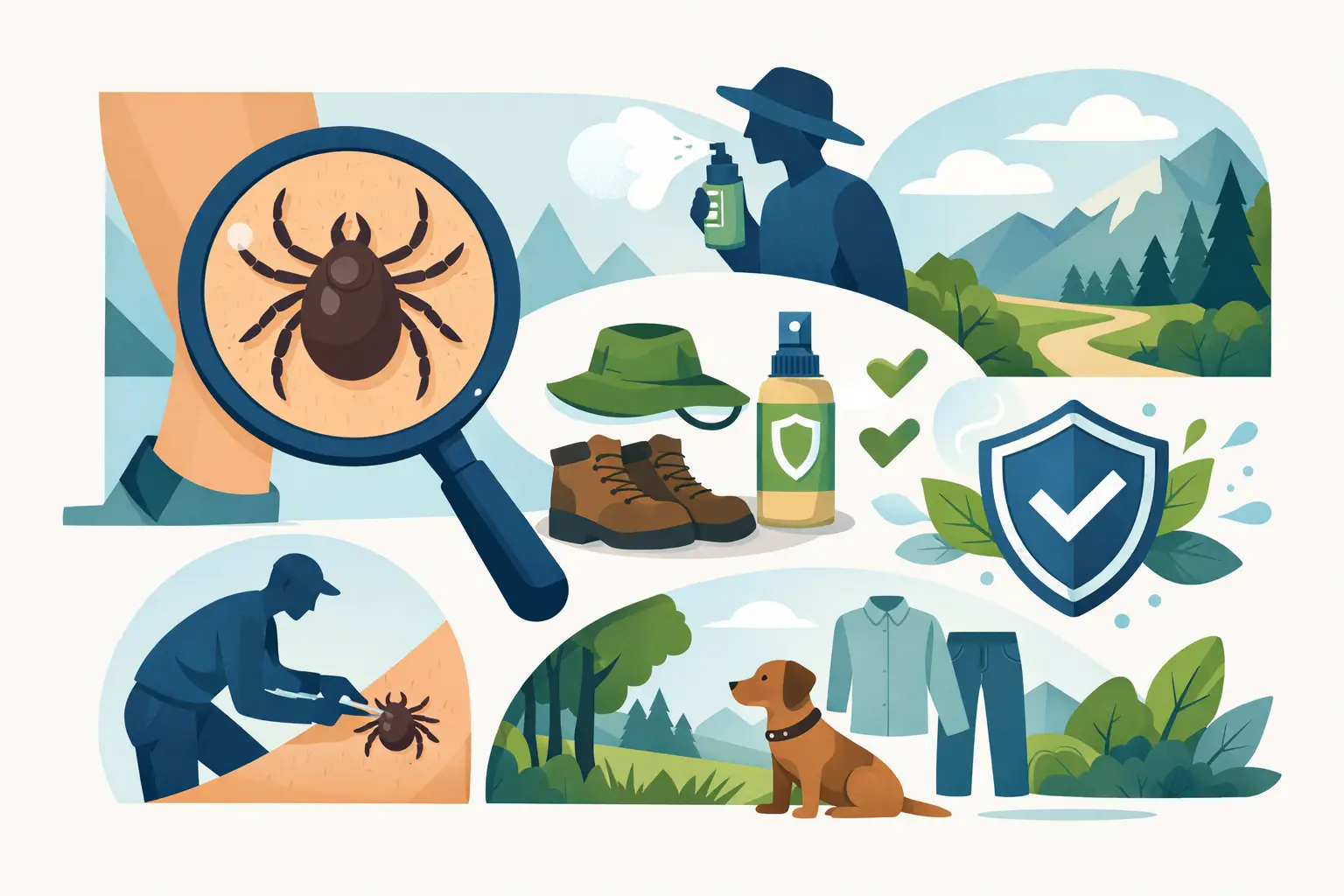
The worst part about tick bites is how easy they are to miss. You can spend an afternoon gardening, let the dog out, or walk the kids along a trail edge and never notice the moment a tick climbs on. That is why the best ways to stop tick bites are not about one magic product. They come from layering a few practical habits that reduce your chances at every stage – before you go outside, while you are out, and when you come back in.
In Ontario, that matters more than ever. Tick activity is a real concern for families, pet owners, and anyone who wants to actually use their yard without worrying about Lyme disease. The good news is that prevention works well when it is done consistently.
The best ways to stop tick bites start before you step outside
Most tick prevention mistakes happen because people think only about the woods. In reality, ticks are often picked up at the edge of a lawn, near stone walls, under shrubs, around leaf litter, or in taller grass behind the shed. You do not need to be deep in a forest to be exposed.
Start with clothing. Long pants, socks, and closed shoes still make a difference, especially in brushy areas or anywhere vegetation brushes against your legs. Light-coloured clothing helps too, not because it repels ticks, but because it makes them easier to spot before they attach. If you are doing yard work, coaching sports near treelines, or walking through unmanaged grassy areas, those small choices buy you time.
Repellent is the next layer. A Health Canada-approved insect repellent used as directed can help reduce the chance of ticks climbing on and staying on. The trade-off is simple – repellents help, but they are not perfect, and people often apply too little or forget to reapply when needed. If you are relying on repellent alone, you are leaving gaps.
Planning your route matters as well. When possible, stay in the centre of trails and avoid brushing against tall grass, weeds, and low branches. For kids, this is not always realistic. For dogs, it is even less realistic. That is why personal prevention and property-level control work best together.
Yard conditions make a big difference
If ticks are turning up around your home, the yard itself usually has something to do with it. Ticks thrive in cool, shaded, humid pockets. They do poorly in open, dry, sunny spaces. So one of the best ways to stop tick bites is to make your property less inviting to them.
Regular lawn mowing helps, but short grass alone is not enough. The bigger issues are overgrown edges, dense ground cover, brush piles, and leaf buildup where moisture hangs around. If your backyard backs onto woods, a creek, or an unmanaged field, those transition zones deserve extra attention.
Create clearer boundaries between play areas and natural edges. That may mean trimming back shrubs, removing leaf litter, cleaning up stacked branches, or widening the open space around patios, swing sets, and dog runs. The goal is not to strip your yard bare. It is to reduce the damp, sheltered zones where ticks wait for a host.
Wildlife activity also matters. Deer, rodents, and other animals can move ticks onto a property. You cannot eliminate every animal path, but you can make the yard less attractive by reducing hiding spots and keeping storage areas tidy. Bird feeders, wood piles, and neglected corners can all contribute indirectly.
Daily checks are one of the most effective habits
A tick bite is less likely to become a bigger problem if the tick is found and removed quickly. That is why one of the most effective habits is also one of the simplest – do a full tick check after time outside.
This should be routine during tick season, especially after yard work, hiking, playing near wooded edges, or letting pets roam in brushy areas. Check behind the knees, around the waist, under the arms, along the hairline, behind the ears, and around sock lines. On children, pay extra attention to the scalp and neck.
Showering soon after coming indoors can help wash off ticks that have not attached yet, and it gives you a better chance to notice one early. Clothes should go straight into the wash or dryer rather than onto a bedroom floor or chair. Heat helps. A quick clothing check in the mudroom is better than discovering a hitchhiker later.
It is easy to skip this when everyone is busy. But if you want a high-impact prevention step that costs nothing, this is it.
Pets need their own tick prevention plan
Dogs do not stay on the path, and outdoor cats are even harder to protect through supervision alone. Pets move through the exact places ticks like most, then bring that risk back to decks, mudrooms, couches, and family spaces.
Talk to your veterinarian about a tick prevention product that fits your pet’s age, weight, health, and lifestyle. There is no single best option for every animal. Some pet owners prefer oral preventives, others prefer topical or collar-based protection. What matters is using a proven product consistently and checking your pet after time outdoors.
Pay attention to paws, ears, under collars, around the face, and through thicker fur. If your dog spends time near fence lines, wooded edges, or cottage properties, your prevention plan should reflect that level of exposure.
When home care is not enough, targeted yard treatment helps
Some properties have a higher baseline risk. That is especially true for yards near wooded lots, rural properties, homes with heavy shade, or family spaces where pets and children spend a lot of time outdoors. In those cases, one of the best ways to stop tick bites is to reduce tick pressure at the source with a targeted professional treatment.
This is where customization matters. A generic spray across the whole lawn is not the smartest approach because ticks are rarely spread evenly across a property. They cluster in specific harbourage zones – shady edges, undergrowth, fence lines, ornamental beds, and transitions between maintained lawn and natural growth.
A property-specific treatment plan focuses on those higher-risk areas instead of treating everything the same way. That gives homeowners better protection while using less product overall. For families who are weighing safety, effectiveness, and convenience, that balance matters.
For example, in communities like Kemptville, Merrickville, and Smiths Falls, many homes have the kind of mixed lawn-and-woodline layout where ticks can become a seasonal issue. A targeted approach is often more useful than a broad, one-size-fits-all pest program because the risk tends to live in the edges, not the middle of the lawn.
What to do if you find a tick
Even good prevention is not perfect. If you find a tick attached, remove it as soon as possible with fine-tipped tweezers. Grasp it close to the skin and pull upward with steady, even pressure. Do not twist, crush, or coat it with petroleum jelly or other home remedies. Those methods create more problems than they solve.
After removal, clean the area and wash your hands. Then monitor for symptoms such as rash, fever, fatigue, or joint pain, and contact a healthcare provider if you have concerns. If the bite is on a pet, watch for changes in behaviour, energy, appetite, or mobility and follow up with your veterinarian when needed.
The key is to stay calm and act promptly. Fast removal lowers risk.
The best ways to stop tick bites are consistent, not complicated
People often look for a single fix, but tick prevention works more like a system. Wear the right clothing when exposure is likely. Use repellent properly. Keep your yard less hospitable to ticks. Check people and pets every time they come in from higher-risk areas. And if your property has ongoing pressure, consider a targeted treatment plan designed around where ticks actually live.
That approach is practical, family-friendly, and much more effective than reacting after someone gets bitten. If your yard is where the kids play, the dog runs, or guests gather on summer weekends, prevention is not about overdoing it. It is about making the space feel safer and more usable all season long.
A good outdoor season starts with fewer surprises, and tick prevention is one of the best ways to keep it that way.

