
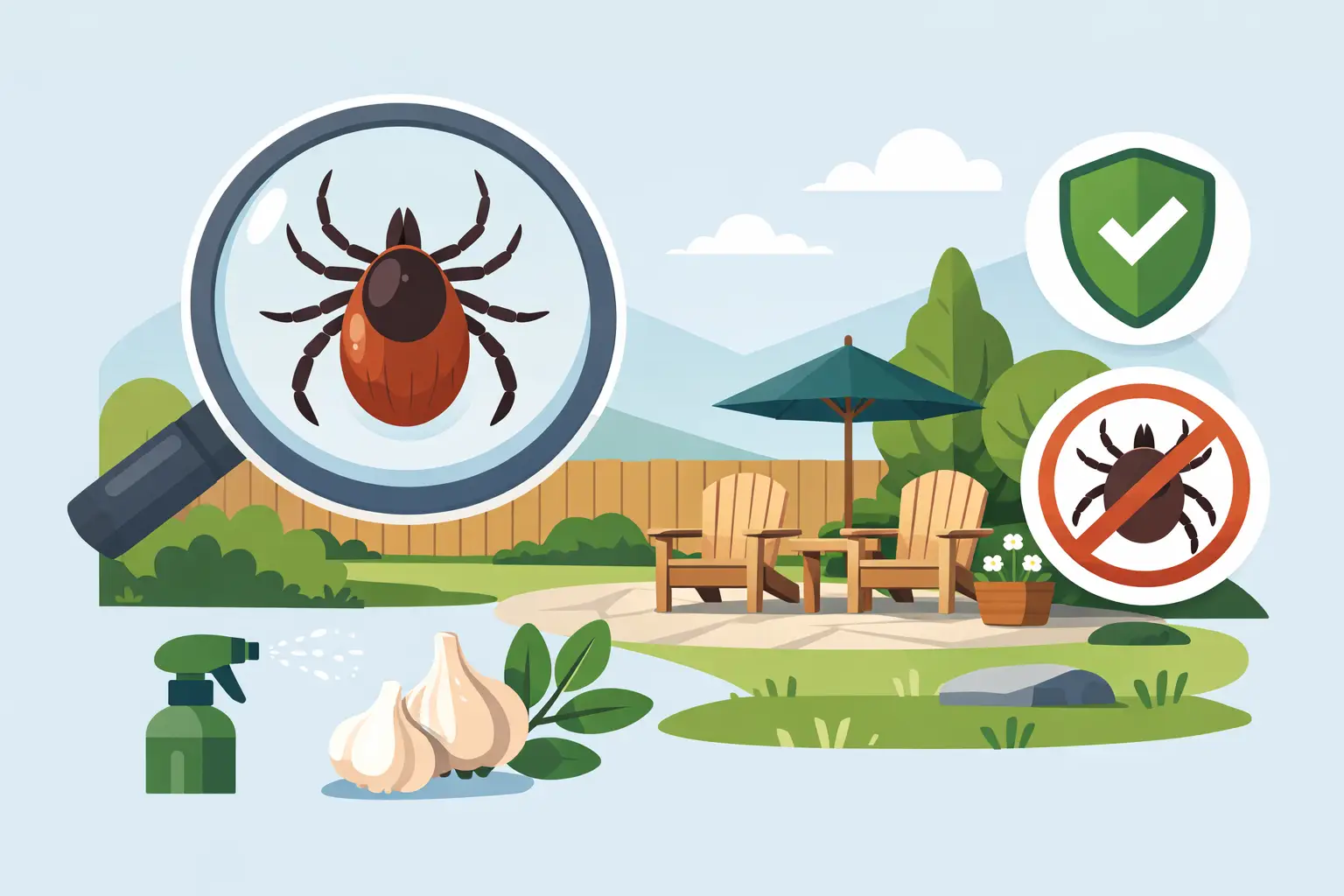
You usually do not notice a tick problem when it starts. You notice it after a dog comes inside scratching, after a child has been playing near the fence line, or after spotting one attached where it should never have been. If you are wondering how to keep ticks away, the answer is not one trick or one spray. It takes a layered approach that starts with your property, continues with your pets, and gets more effective when treatments are tailored to how ticks actually move through your yard.
In Ontario, that matters. Tick activity has become a real concern for families who want to use their outdoor spaces without second-guessing every step through the grass. The goal is not just fewer pests. It is lower exposure to bites and the diseases ticks can carry, including Lyme disease.
How to keep ticks away starts with your yard
Ticks do not behave like flying pests. They do not need open space to find you. They prefer shaded, humid areas where they can wait on low vegetation and attach as people, pets, or wildlife pass by. That is why a yard can look tidy from the deck and still have active tick zones around the edges.
The highest-risk areas are usually the ones homeowners use the least. Think fence lines, wood piles, the back side of sheds, tall grass along ditches, brushy corners, and the transition point where lawn meets trees or unmanaged growth. If deer, mice, rabbits, or other wildlife travel through your property, ticks often follow those routes.
A shorter lawn helps, but it is not the whole solution. Regular mowing reduces humidity near the ground and makes it harder for ticks to remain active in open areas. Still, mowing alone will not fix a property with thick perimeter growth or shaded hiding spots. If your yard backs onto bush, fields, ravines, or naturalized land, the pressure is usually higher and the strategy needs to be stronger.
The biggest yard changes that reduce tick pressure
Most tick prevention comes down to making your property less attractive and less accessible. That means reducing the places ticks and the animals that carry them like to travel.
Keep grass cut to a manageable height and trim back overgrowth, especially around play areas, patios, dog runs, and walkways. Clear leaf litter where practical, since damp organic material creates ideal shelter. If you have stacked firewood, keep it dry and off the ground when possible, and avoid placing it right beside seating or children’s play zones.
One of the most effective changes is to open up the edges of the yard. Ticks commonly gather in the border between maintained lawn and heavier vegetation. Widening that transition area by pruning shrubs, cutting back brush, and removing ground clutter can make a noticeable difference.
It also helps to think about traffic patterns. If kids cut through the side yard to reach a trampoline, or the dog regularly noses around behind the shed, those routes deserve extra attention. Tick control works best when it reflects how your family actually uses the property, not just how the yard looks from the street.
Why wildlife control matters
Ticks do not appear out of nowhere. They arrive with hosts. Deer are well known, but small mammals are part of the picture too. If your yard offers shelter, food, and easy movement for wildlife, tick pressure tends to rise.
You may not be able to eliminate wildlife activity completely, especially in places like Merrickville, Kemptville, or Smiths Falls where rural and semi-rural properties are common. But you can reduce what draws animals in. Seal gaps under sheds where practical, tidy brush piles, secure garbage, and avoid letting dense vegetation create hidden travel corridors close to the home.
This is where trade-offs matter. Pollinator gardens, naturalized areas, and wooded privacy can all be valuable features. The answer is not stripping your property bare. It is being intentional about where those features sit and how close they are to high-use family spaces.
Personal and pet protection still matters
Even with a well-maintained yard, ticks can still be introduced by pets, wildlife, or a quick walk through taller vegetation. That is why keeping ticks away also means creating habits that reduce the chance of attachment.
For people, closed-toe shoes, socks, and long pants help when spending time near wooded edges or overgrown areas. Light-coloured clothing makes ticks easier to spot. A tick check after outdoor time is simple but worthwhile, especially around ankles, behind knees, around the waist, and along the hairline.
For pets, prevention should be routine, not occasional. Dogs in particular can pick up ticks quickly, then bring them right into the house. Ask your veterinarian about appropriate tick prevention products and check your pet after walks, playtime, or time spent near brush. Pay close attention around the ears, collar line, under the legs, and between the toes.
There is no conflict between personal prevention and yard treatment. The strongest protection comes from combining both.
When DIY tick control helps, and when it falls short
Homeowners often start with store-bought sprays or general yard maintenance, and that makes sense. A cleaner yard is a better starting point than an ignored one. But DIY approaches often miss the areas where ticks are most active, or they apply too broadly without solving the real problem.
Ticks are not usually spread evenly across the property. They cluster in shaded edge zones, under dense shrubs, around ground cover, and along wildlife pathways. If treatment is not targeted, it may leave the highest-risk areas largely untouched. On the other hand, broad over-application is not ideal either, especially for families who care about reducing unnecessary spray.
That is why professional treatment tends to perform better on properties with ongoing tick pressure. The value is not just the product. It is the inspection, the identification of risk zones, and the ability to build a treatment plan around the layout of the yard.
Targeted treatment is often the missing piece
A professional tick treatment should not feel generic. The best results come from focusing on the places ticks live and travel, not blanketing every square foot the same way.
On many Ontario properties, that means perimeter areas, dense foliage, shaded border zones, under decks, around outbuildings, and along the transitions between lawn and natural vegetation. A customized approach can reduce tick exposure while using far less product than a one-size-fits-all program.
That matters for households with kids and pets. Safety is not a side issue. It is part of the service. At Mosquito Pros, for example, treatment plans are built around the specific property and use lower-volume application methods designed to be effective without unnecessary excess. For homeowners comparing options, that is worth asking about. How much is being applied, where is it being applied, and is the treatment based on your yard or just a standard route?
Timing matters more than most people think
Tick control is easier when it starts before activity peaks. Once ticks are well established in a yard, homeowners tend to respond after finding one on a pet or person. By then, the concern is already personal.
Seasonal prevention works better when it is proactive. In Ontario, that usually means paying attention from spring through fall, with the understanding that milder weather can extend activity. If your property had ticks last year, waiting for another sighting is rarely the best plan.
Signs your property may need professional help
Some yards carry a higher baseline risk than others. If your home backs onto woods, fields, wetlands, or unmanaged green space, tick control usually requires more than occasional cleanup. The same applies if you have frequent wildlife traffic, shaded damp zones that never seem to dry out, or pets that repeatedly pick up ticks.
You may also need help if you have already tried basic prevention and are still finding ticks near the home, patio, or children’s play areas. That is often a sign that the source area has not been identified properly or that treatment is not reaching the right zones.
For event hosts and commercial properties, the threshold is even lower. If people are gathering outdoors, comfort and risk reduction matter. A yard that is technically manageable for day-to-day use may still not be the yard you want for a family celebration, wedding, or customer-facing outdoor space.
The goal is a yard you can actually use
Learning how to keep ticks away is really about reducing the moments that make outdoor living feel stressful. You should be able to let the dog out, watch the kids play, or sit on the patio without treating every blade of grass like a threat. The best approach is practical and layered – smart yard maintenance, consistent pet protection, regular checks, and targeted treatment where your property needs it most.
If your yard has become a place where tick worries are starting to shape how you use it, that is usually the signal to act earlier and more precisely. A safer outdoor season starts with a plan that matches the property in front of you.

