
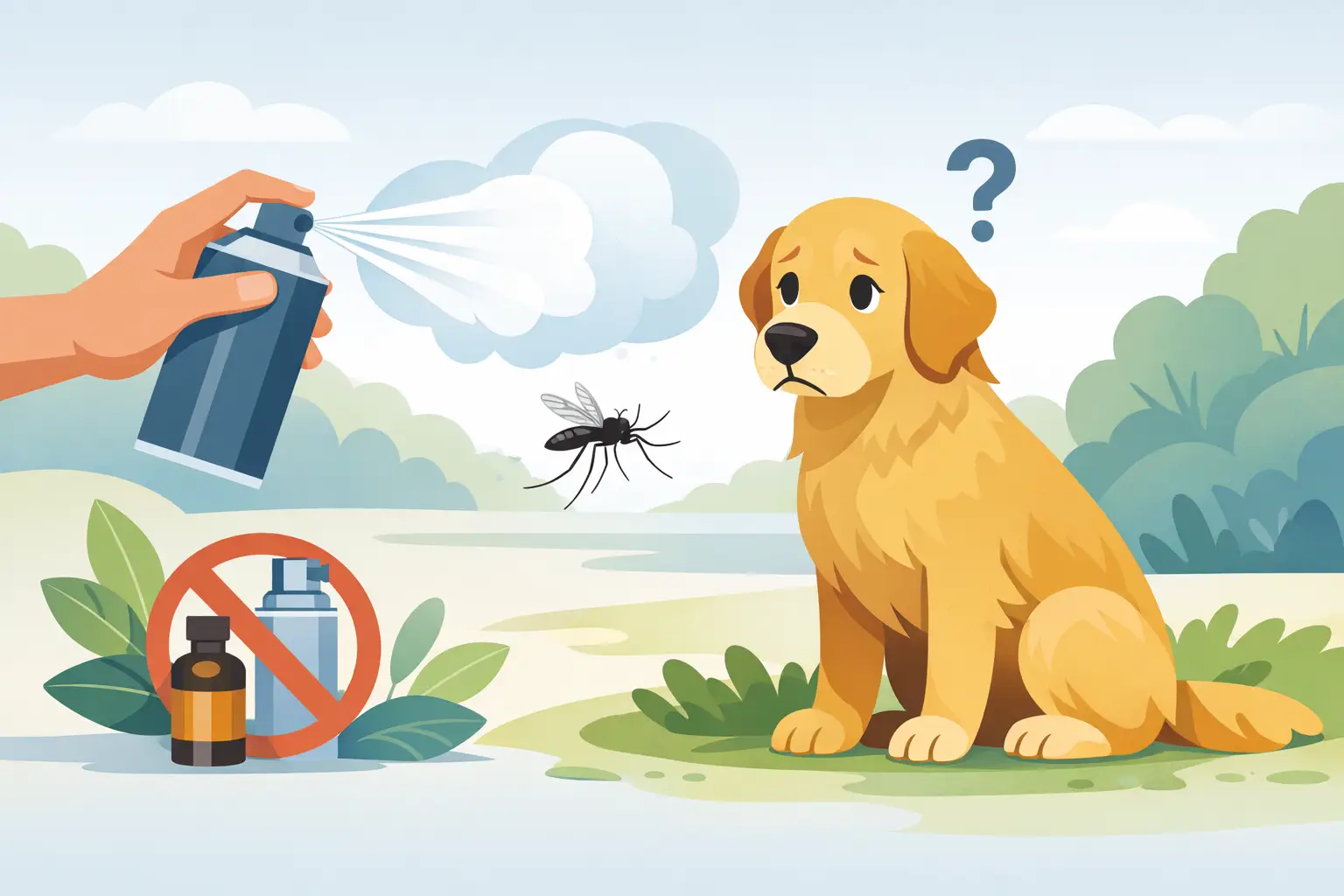
If your dog treats the backyard like a second living room, this question is a fair one: can mosquito spray harm dogs? The short answer is yes, it can – but that depends heavily on what was sprayed, how it was applied, how much was used, and when your dog went back outside. Not all mosquito control is the same, and that distinction matters when you’re trying to protect both your pet and your property.
For Ontario homeowners, this is not just about comfort. Mosquitoes can contribute to heartworm risk for dogs, and ticks bring their own concerns. So the real issue is not whether you should control biting pests. It is whether the treatment plan is precise, lower volume, and used with pet safety in mind.
Can mosquito spray harm dogs in real-world situations?
Yes, but the biggest risks usually come from misuse, overapplication, or poor product selection – not from every professional yard treatment across the board. Dogs are more likely to run into trouble when they walk on a wet treated surface, lick residue from paws or fur, or come into contact with products not meant for outdoor residential use.
A dog’s size, age, health, and behaviour also matter. A large adult dog that stays off the lawn until the product has dried faces a different level of risk than a puppy that chews grass, digs in damp mulch, and licks everything it touches. Senior dogs and dogs with respiratory issues can also be more sensitive to strong odours or airborne spray during application.
That is why broad statements like “mosquito spray is safe” or “mosquito spray is dangerous” are both too simplistic. Safety depends on the treatment itself and on the care taken before, during, and after application.
What makes one mosquito spray riskier than another?
The active ingredient is a big part of the answer. Some mosquito sprays use synthetic pyrethroids, which are common in outdoor pest control. When used properly, many are approved for residential settings, but that does not mean careless use is harmless. Overapplication, drift onto toys or water bowls, or letting pets onto wet surfaces too soon can create avoidable exposure.
Other products may contain essential oil blends or botanical ingredients. These are often marketed as natural, but natural does not automatically mean pet-safe. Some concentrated oils can irritate a dog’s skin, eyes, or airways, and some may be harmful if ingested in larger amounts.
Then there is application method. A targeted barrier treatment focused on vegetation and mosquito resting areas is very different from a heavy blanket spray over the whole yard. Lower-volume, property-specific applications generally reduce unnecessary exposure because less product is used and it is placed where it does the most work.
The most common ways dogs are exposed
In most cases, dogs are not harmed because a professional treatment was applied exactly as directed. Problems are more likely when a pet comes into direct contact with fresh product.
Paw contact is one of the biggest issues. Dogs walk through treated grass, then lick their feet later. The same thing can happen after rolling on the lawn, rubbing against shrubs, or drinking from standing water that caught spray residue. Outdoor items matter too. If a product lands on food dishes, chew toys, patio cushions, or dog houses, that creates another route of exposure.
Airborne exposure is also possible during application. Dogs should never be outside in the treatment zone while spraying is happening. Even if the product itself is approved for outdoor use, breathing in mist directly is not the goal.
Signs a mosquito spray may be affecting your dog
Mild irritation may show up as drooling, paw licking, sneezing, watery eyes, or temporary skin sensitivity. Some dogs may seem restless or uncomfortable after exposure.
More serious symptoms can include vomiting, diarrhea, tremors, weakness, trouble breathing, or unusual lethargy. If you notice any of these after a yard treatment or after use of a household mosquito product, contact your veterinarian right away. If possible, have the product name and active ingredient available. That helps your vet assess the likely level of risk quickly.
It is also worth remembering that not every reaction is obvious at first. If your dog had access to a recently sprayed area and is acting off, do not wait too long hoping it passes.
How professional yard treatments reduce the risk
A professional service should not treat pet safety like a footnote. It should be part of the treatment plan from the start.
That begins with asking the right questions about your property. Where does your dog spend time? Is there a kennel run, a shady digging area, a water bowl station, or a favourite patch along the fence? A tailored plan works around how your yard is actually used.
It also means applying product where mosquitoes rest and breed pressure is highest, instead of soaking every surface. This is especially relevant for families who want strong mosquito control without excessive spray volume. Lower-volume applications, careful targeting, and clear re-entry instructions make a meaningful difference.
At Mosquito Pros, that customized approach is central to the service model. It is designed to reduce pest pressure while avoiding the kind of one-size-fits-all application that can create more exposure than necessary.
Questions to ask before any treatment
If you have a dog, ask what product is being used, where it will be applied, and how long pets need to stay off treated areas. You should also ask whether water bowls, toys, and other pet items need to be removed beforehand.
A good provider should be able to explain the active ingredients in plain language and tell you what practical precautions matter most. If the answers are vague, rushed, or dismissive, that is a concern.
Homeowners in places like Kemptville, Smiths Falls, and Merrickville often deal with heavy mosquito pressure near trees, water, and dense vegetation. That can lead some companies to spray more aggressively than needed. More product is not always better. Precision is usually the safer and smarter choice.
How to keep your dog safe before and after spraying
Before treatment, bring in food bowls, water dishes, toys, bedding, and anything your dog mouths regularly. Keep your dog indoors or well away from the treatment area while spraying is underway.
After treatment, follow the re-entry guidance exactly. In many cases, that means waiting until treated surfaces are fully dry, but the timeline can vary by product and weather. Humid conditions or heavy shade may slow drying, so do not guess.
If your dog has a habit of eating grass, chewing sticks, or rolling in shrubs, be extra cautious with the first outing after treatment. A leash walk through the yard can be a smart way to prevent immediate licking or rough contact. If you are using both a yard treatment and a vet-recommended flea, tick, or mosquito preventative, tell your provider. Layering protections is common, but it helps to know the full picture.
What about DIY mosquito sprays?
DIY products tend to create more uncertainty than professional treatments, especially when homeowners mix concentrates themselves or use indoor bug sprays outdoors. Label directions matter, and so does dilution. A product that is effective at one concentration can become much riskier when mixed too strong.
Foggers and handheld sprays can also drift onto places they should not. Dog runs, patios, gardens, and outdoor furniture often get hit accidentally. If you are using a store-bought product, read the pet precautions carefully and do not assume backyard use is automatically appropriate just because the packaging mentions mosquitoes.
This is one area where professional application can offer more control. The treatment is usually more targeted, the dosage is measured, and the instructions for safe re-entry are clearer.
The balance most pet owners are really trying to find
Most dog owners are not choosing between a perfectly natural yard and a chemical-heavy one. They are trying to reduce biting pests without creating a new problem for the family pet.
That balance is possible, but it depends on context. A well-planned treatment can lower mosquito exposure and support a safer outdoor space. A poorly chosen or poorly applied product can do the opposite. The key is not avoiding every treatment at all costs. It is choosing a service and a method built around targeted control, lower spray volumes, and clear safety steps.
If you’re weighing whether mosquito control is worth it, remember what unchecked pest pressure can mean too. Constant bites, less usable outdoor space, and greater exposure to mosquito- and tick-related health risks are all part of the equation. The best approach protects your dog from both the pests and the treatment itself.
A safer yard usually starts with better questions, not more spray.
Quick pet-safety answer
Keep dogs and other pets indoors during treatment and until treated surfaces are completely dry. Always follow the product label and the technician’s re-entry instructions. Before service, bring in pet bowls, toys, bedding, and loose items, and point out ponds, runs, kennels, or other sensitive areas.
What should I ask before booking?
Ask what product will be used, where it will be applied, how long drying normally takes, and whether any areas should be excluded. A professional plan should target mosquito resting zones instead of coating every surface. Mosquito Pros uses property-specific applications designed to reduce unnecessary product while protecting the areas families and pets use most.
Explore our mosquito-control service or request a pet-conscious treatment quote.
What “pet friendly” mosquito treatment should mean
“Pet friendly” should never be treated as a blanket promise. A responsible plan starts with the product label, the correct application rate, targeted treatment zones and clear instructions about when animals can return. Ask which product will be used, where it will be applied and how long pets must remain indoors. Cats, dogs, birds, fish and other animals can have different sensitivities, so tell the technician about every animal on the property before service.
Protecting pets from mosquitoes beyond yard treatment
- Remove standing water from bowls, toys, planters and other containers at least weekly.
- Keep screens in good repair and reduce outdoor exposure when mosquito activity is highest.
- Ask your veterinarian about appropriate heartworm prevention and pet-specific repellents.
- Never apply a human insect repellent or essential-oil mixture to a pet unless a veterinarian or the product label specifically directs it.
- Use professional mosquito control as one part of a broader prevention plan, not as a replacement for veterinary care.
Pet-safe preparation checklist
- Bring pets, toys, food bowls and water dishes indoors before treatment.
- Close windows and make gates and treatment areas accessible.
- Tell the technician about ponds, fish, beehives, vegetable gardens and animal enclosures.
- Keep pets off treated areas until the product has dried and the technician’s re-entry instructions have been met.
- Contact a veterinarian or animal poison service promptly if a pet shows concerning symptoms after possible exposure.
Households with both children and pets can also review our pet and child yard-safety guide. For a property-specific plan, learn about Mosquito Pros mosquito control in Merrickville and Eastern Ontario or request a free quote.


