
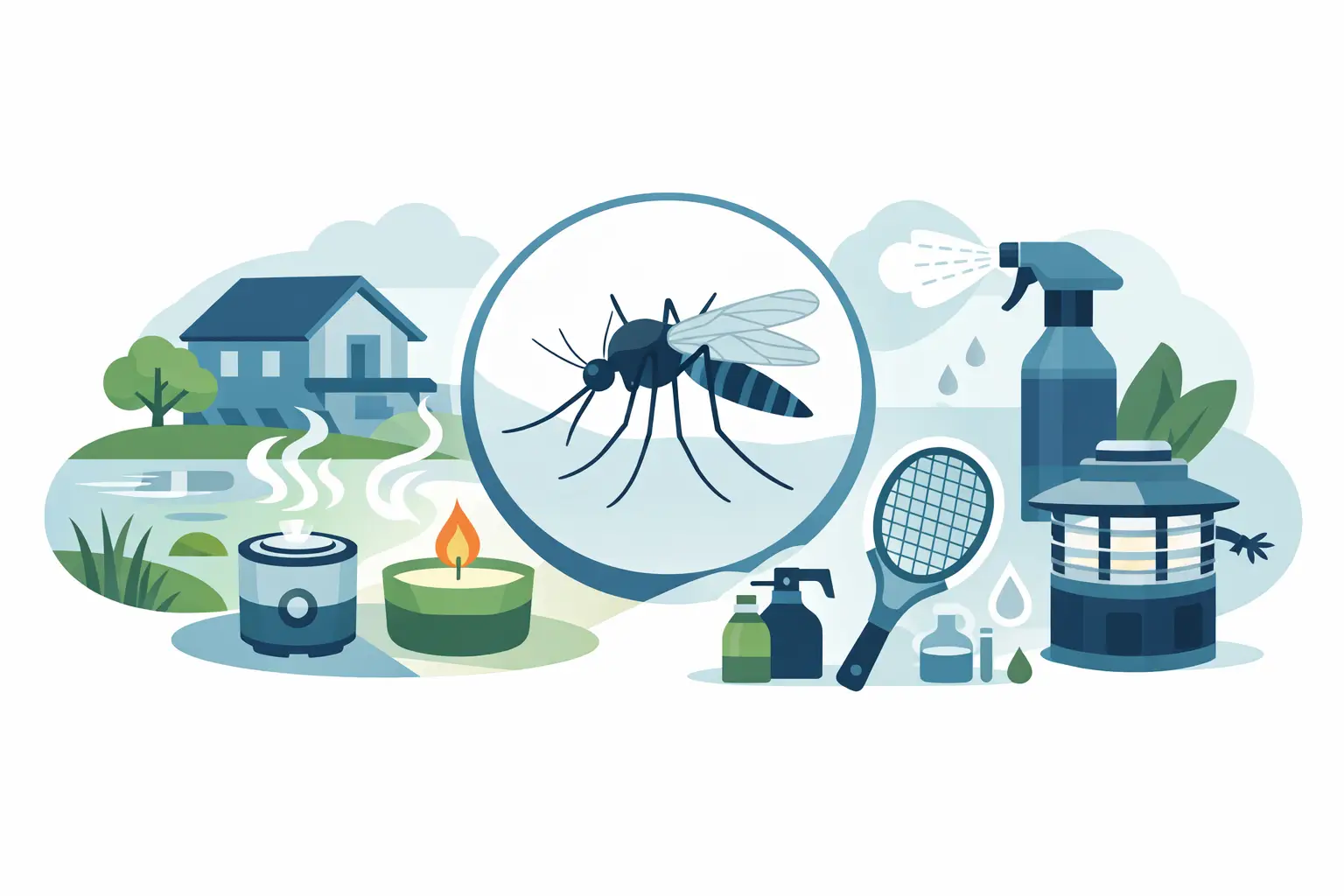
A backyard can look perfect on paper – fresh-cut grass, patio set ready, kids waiting to get outside – and still be nearly unusable once mosquitoes show up. If you are wondering what works best for mosquito control, the honest answer is not one product or one quick fix. The best results come from a combination of habitat reduction, targeted treatment, and timing that matches how mosquitoes actually live and breed.
That matters in Ontario, where mosquito pressure can build quickly through spring and summer. Warm weather, shaded yards, standing water, and dense landscaping create ideal conditions. For families, pet owners, and anyone trying to enjoy an outdoor space without bites, the goal is not guessing. It is using the methods that reduce mosquito activity where they rest, breed, and feed.
What works best for mosquito control in a real yard?
The most effective mosquito control is layered. That means removing breeding sources where possible, making the property less attractive to mosquitoes, and using a targeted barrier treatment to control the adult mosquitoes already living in shaded harborage areas.
This is where many homeowners get frustrated. They try one approach at a time – a few citronella candles, a bug zapper, a bottle of store-bought spray – and expect a major difference. Most of those tools have limited range, short duration, or poor impact on the parts of the mosquito life cycle that matter most.
Mosquitoes do not spend the day flying randomly across open lawns. They rest in cool, humid areas like shrubs, tree lines, tall grass, under decks, and dense planting beds. Females also seek shallow standing water to lay eggs. If those conditions stay in place, mosquito activity tends to rebound quickly, even if you knock down a few adults near the patio.
Start with the conditions that attract mosquitoes
The first step is reducing the environment mosquitoes need. This will not eliminate them on its own, but it lowers pressure and makes every other treatment work better.
Standing water is the biggest issue. It does not take a pond to create a breeding site. Clogged eavestroughs, bird baths, toys, buckets, planter trays, old tires, tarps, and low spots in the yard can all hold enough water for mosquito larvae. After rainfall, these small water sources can become productive breeding spots in just days.
Shade and moisture are the next problem. Overgrown hedges, unmanaged brush, thick ground cover, and damp corners behind sheds give adult mosquitoes a place to hide during the heat of the day. Trimming back excess vegetation and improving airflow around gathering areas can make a noticeable difference.
There is a trade-off here. Some properties naturally hold more moisture or have landscaping features that homeowners want to keep. Wooded lots, rural properties, and yards near wetlands or creek areas often cannot be fully modified. In those cases, source reduction helps, but it usually will not be enough by itself.
What homeowners can do right away
Emptying containers after rain, changing bird bath water often, clearing drainage issues, and cutting back dense vegetation are worthwhile steps. Keeping grass trimmed and reducing clutter around the yard also helps remove resting spots.
These changes are practical and low cost. The limitation is that mosquitoes do not respect property lines. If neighbouring lots, ditches, wooded edges, or unmanaged water sources are contributing to the problem, mosquito pressure can continue even in a well-kept yard.
Why barrier treatments usually work better than DIY options
When people ask what works best for mosquito control, they are usually asking what actually gives them their yard back. In most cases, that is a professionally applied barrier treatment designed around the property.
A barrier treatment targets the surfaces where adult mosquitoes rest – the backs of leaves, shaded ornamentals, fence lines, under decks, and other cool protected zones. Instead of broadcasting product everywhere, the goal is precision. Treat the areas that matter, use the right amount, and create ongoing control where mosquitoes are most likely to contact it.
That is a major difference from many over-the-counter solutions. Foggers may provide short-term relief but often have limited staying power. Yard sprays sold at retail can be inconsistently applied or used in the wrong places. Repellents are useful for personal protection, but they protect people, not the property.
A custom treatment plan also matters because not every yard has the same mosquito pressure. A small subdivision lot with a few shrubs needs a different approach than a large rural property with tree cover, drainage challenges, and multiple outdoor living zones. The best mosquito control is specific, not generic.
What does not work as well as people hope?
A few common products get more credit than they deserve. Citronella candles can help in a very small area if there is little wind, but they are not a yard-wide solution. Bug zappers are also overrated for mosquitoes and often kill non-target insects instead. Ultrasonic devices have a weak track record in real outdoor conditions.
That does not mean every DIY measure is pointless. Fans can help around seating areas because mosquitoes are weak fliers. Personal repellents are useful when gardening, walking the dog, or staying out at dusk. But these are support tools, not primary control methods.
If the goal is occasional bite reduction for one person, a repellent may be enough. If the goal is protecting children playing outside, making a patio usable, or preparing for a backyard event, broader yard control is usually the better fit.
Timing matters more than most people realize
Even a good treatment plan becomes less effective if it starts too late or is not maintained through peak season. Mosquito populations build in cycles. Rainfall, heat, shade, and nearby breeding areas all affect how quickly they return.
That is why recurring seasonal service tends to perform better than a one-time reaction after the yard becomes unbearable. Early intervention keeps populations lower before they spike. Ongoing visits maintain the barrier and respond to changing conditions through the season.
This is especially relevant in communities where spring rain and summer humidity create steady mosquito pressure. In places like Kemptville, Smiths Falls, and Brockville, properties with mature trees, water nearby, or heavier vegetation often need a more active approach to stay comfortable all season.
Natural options and lower-volume treatment
Some customers want strong mosquito control but are equally concerned about children, pets, and spray volume. That concern is reasonable. The best approach is not simply using more product. It is using the right product, in the right places, at the right rate.
Natural treatment options can play a role, especially for customers who prefer them or for specific settings and event-based needs. The trade-off is usually duration and overall knockdown. In heavier mosquito environments, natural options may need more frequent service or may not last as long as conventional barrier products.
Lower-volume, targeted application is often the better standard to look for. It reduces unnecessary exposure while still focusing on the zones where mosquitoes actually rest. That is one reason many homeowners prefer a customized service instead of a blanket spray program.
What works best for mosquito control before an outdoor event?
Event mosquito control needs speed and timing. If you are hosting a wedding, family gathering, or outdoor party, waiting until guests arrive is too late. The property should be assessed and treated ahead of time, with attention to seating areas, walkways, tent space, hedges, and shaded edges where mosquitoes will hold.
For event settings, cleanup matters too. Remove standing water, mow and trim before treatment, and avoid creating last-minute hiding areas with piled materials or damp debris. Fans can add a useful extra layer around dining and lounge areas, but they work best as support, not the main plan.
The best answer is usually a custom one
There is no single product that solves every mosquito problem. What works best for mosquito control depends on the size of the property, the amount of vegetation, nearby water sources, how the yard is used, and how much pressure exists in the surrounding area.
But the pattern is consistent. The most reliable results come from combining simple yard corrections with targeted, professional mosquito treatments tailored to the property. That gives homeowners a practical balance of effectiveness, safety, and season-long comfort.
For families who want to spend more time outside without constant bites, the right mosquito control plan should feel straightforward. You should know what is being treated, why it is being treated, and how it helps protect the people and pets using the space. If your yard is costing you evenings on the deck, interrupted playtime, or a stressful event setup, that is usually the clearest sign that a custom solution will do more than another can from the hardware store.
A good yard should be usable in summer. Mosquito control works best when it is built around that simple goal.


