
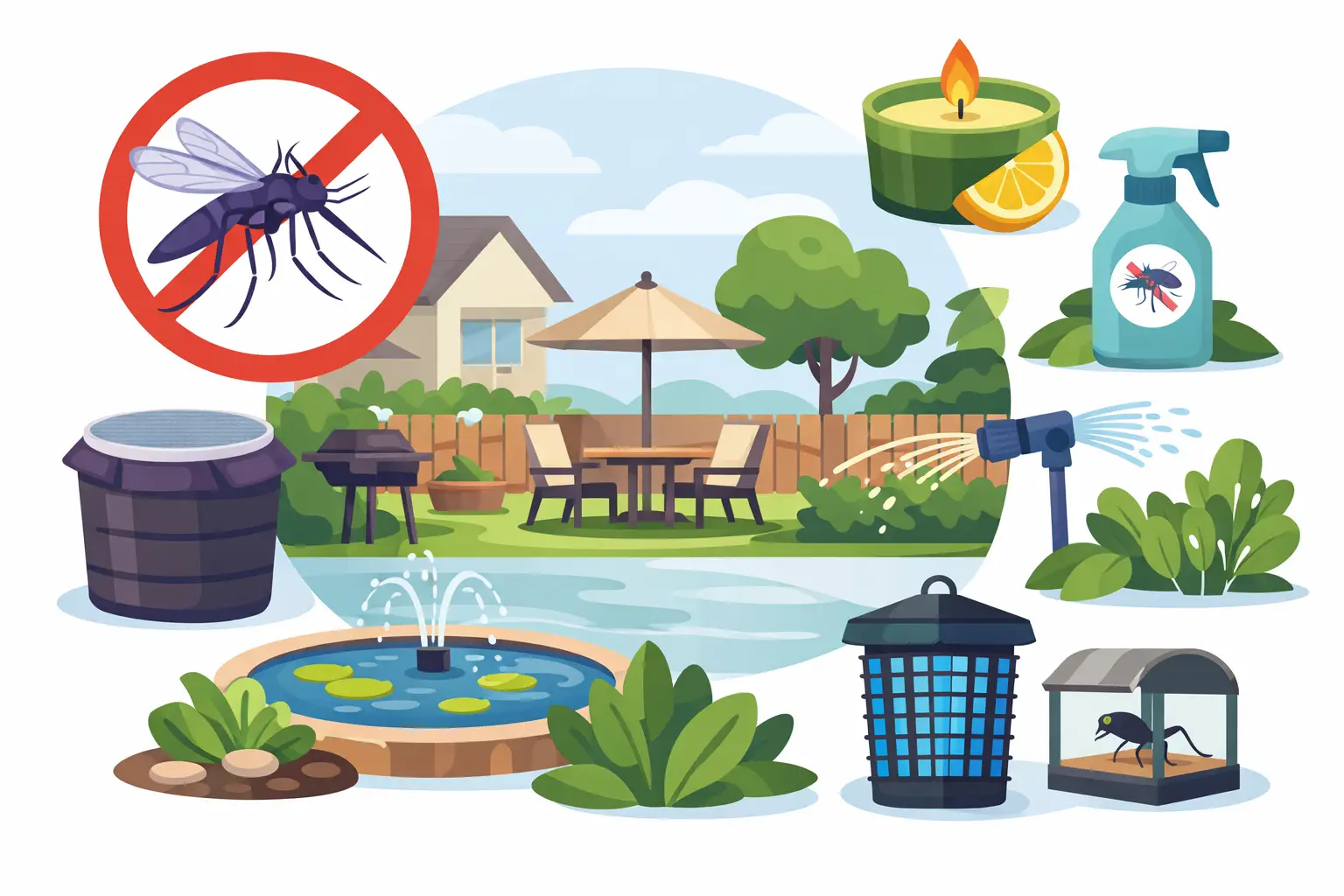
A backyard can feel perfect at 6 p.m. – until the mosquitoes show up and everyone heads inside. Around Ontario, that pattern is common in spring and summer, especially after rain, humid stretches, and warm evenings. The best backyard mosquito prevention methods work by making your property less attractive to mosquitoes in the first place, then reducing the ones that still find their way in.
That matters for more than comfort. Mosquitoes can turn patios, decks, pools, and play areas into spaces your family avoids. If you have pets, young children, or regular outdoor get-togethers, prevention is less about convenience and more about protecting the way you use your yard.
What actually works against mosquitoes
Mosquito control is rarely one single fix. A citronella candle on its own will not solve a yard-wide problem, and neither will one quick clean-up if the property keeps holding water. The most reliable results come from layering methods that target mosquito breeding, resting areas, and flight patterns.
That is why the best results usually come from a property-specific approach. A shaded lot with mature trees, dense hedges, and poor drainage has different mosquito pressure than an open, sunny yard with little standing water. Good prevention starts with understanding where mosquitoes breed and where they hide during the day.
1. Remove standing water consistently
If there is one step that makes the biggest difference, it is eliminating standing water. Mosquitoes lay eggs in water, and they do not need much of it. A forgotten bucket, clogged eavestrough, kiddie pool, wheelbarrow, birdbath, or plant saucer can be enough.
The key word is consistently. Emptying containers once is not the same as checking them every few days during peak season. After rainfall, walk the property and look for places where water collects. Pay close attention to low spots in the lawn, tarps, toys, old planters, and anything tucked beside a shed or fence.
For water features you want to keep, movement matters. Aeration and circulation make ponds less hospitable for mosquito breeding than still water. Birdbaths should be refreshed often, not left stagnant for a week at a time.
2. Cut back the places mosquitoes rest
Mosquitoes are not usually sitting out in the middle of the lawn all day. They prefer cool, shaded, humid areas where they can rest until it is time to feed. That often means under decks, inside dense shrubs, along fence lines, and around overgrown gardens.
Regular trimming helps more than many homeowners expect. When you reduce excess vegetation and improve airflow, you make those hiding spots less comfortable. Keep grass cut, thin out heavy brush, and prune shrubs that have become thick and dark underneath.
This does not mean your yard has to look sparse. It means paying attention to the dense, damp zones where mosquitoes collect. A well-kept yard is not just better looking – it is harder for mosquitoes to use.
3. Improve drainage in problem areas
Some yards keep attracting mosquitoes because water has nowhere to go. If sections of your property stay soggy for days after a rain, that is not just a landscaping issue. It can become an ongoing mosquito source.
This is one of the more overlooked backyard prevention steps because the problem is less obvious than a bucket of water. You may need to regrade a low area, clean drains, extend downspouts, or correct runoff patterns that leave puddles near patios and play spaces. The fix depends on the property, but the goal stays the same: reduce wet, stagnant zones.
For many Ontario homeowners, especially those with tree cover or heavier soil, drainage can be a major part of long-term mosquito control.
4. Use fans where people gather
Fans are one of the simplest and most effective short-term tools for patios, decks, and outdoor dining areas. Mosquitoes are weak fliers, so steady air movement makes it harder for them to land and feed.
This method will not reduce mosquito breeding in the yard, but it can make a noticeable difference where people actually sit. That is the trade-off. Fans are practical and immediate, but they are a comfort tool, not a complete prevention plan.
For outdoor meals or evening gatherings, placing fans to move air across seating areas can help protect the space without adding more spray or scent-based products.
5. Be realistic about candles, coils, and store-bought repellents
Many homeowners start here because these products are easy to find. They can have a place, but expectations should be reasonable. Candles and coils may help in a small area under the right conditions, especially when there is little wind, but they do not control mosquitoes across an entire backyard.
Personal repellents are useful when you are gardening, walking the dog, or spending time outside in the evening. They protect the person wearing them. They do not address breeding sites, yard-wide resting zones, or the mosquito population on the property.
In other words, these products can support your plan, but they should not be the plan.
6. Time your outdoor routine around mosquito activity
Mosquitoes are often most active around dawn and dusk, though shaded yards can stay active longer. If your property tends to get heavy mosquito pressure in the evening, small scheduling changes can reduce exposure. That might mean moving playtime, dog time, or patio dinners a little earlier, especially after rain or during humid spells.
This is not the most convenient method, and it is not always practical. Families use their yards when they have time, not when mosquitoes allow it. Still, understanding activity patterns helps you make smarter decisions about when to use fans, repellent, or extra protection before guests arrive.
7. Consider targeted barrier treatments for lasting control
When mosquitoes are established around a property, targeted barrier treatments are often the most effective next step. This is especially true for yards with dense landscaping, tree lines, shaded perimeter zones, or recurring mosquito pressure that does not improve with basic maintenance alone.
A proper treatment is not about fogging everything in sight. The best backyard mosquito prevention methods usually involve targeted application to the areas where mosquitoes rest and travel, such as foliage, hedges, shaded edges, and protected structures. That approach is more efficient and typically more effective than broad, indiscriminate spraying.
For families and pet owners, this is where the quality of the service matters. Treatment plans should be tailored to the property, the level of mosquito activity, and how the yard is used. A child play area, dog run, pool zone, and event patio may all need slightly different attention.
This is also where lower-volume, precision-focused service can make a difference. Mosquito Pros, for example, builds custom treatments around the property rather than applying a generic one-size-fits-all spray schedule. For homeowners who want meaningful reduction with a strong focus on family and pet safety, that kind of tailored approach is worth looking for.
8. Plan ahead for parties and outdoor events
If you are hosting a backyard birthday, family gathering, or wedding-related event, mosquito prevention should start before guests arrive. Waiting until the day of the event limits your options.
A good plan may include yard clean-up, water removal, trimming overgrown areas, fan placement, and a professional treatment timed to reduce activity during the event window. The right timing matters because treatments are not all the same, and event spaces often need a more strategic approach than day-to-day yard use.
This is particularly helpful in areas like Kemptville, Brockville, Smiths Falls, and nearby communities where summer events often rely on outdoor space being comfortable in the evening.
When DIY is enough and when it is not
Some mosquito issues are manageable with regular maintenance. If your yard is open, sunny, relatively dry, and only has occasional mosquito activity, removing standing water and using fans may be enough to keep things under control.
But if you are dealing with constant bites, shaded landscaping, nearby wooded areas, drainage problems, or a yard your family avoids for weeks at a time, DIY usually has limits. The issue is not effort. It is that mosquitoes keep returning from the same hidden areas unless those zones are treated properly.
That is where a professional inspection can save time and frustration. A trained eye will often spot recurring sources homeowners miss, especially around perimeter vegetation, damp shade pockets, and structural hiding places.
The smartest approach is layered protection
Mosquito prevention works best when you combine habits and treatment, not when you rely on one product and hope for the best. Start with the basics: remove standing water, keep the yard trimmed, and improve airflow and drainage where possible. Add fans and personal repellent when needed. If mosquito pressure stays high, move to a targeted property-specific treatment plan.
A backyard should be usable in summer. You should be able to let the kids play, have friends over, or sit outside with the dog without spending the whole evening swatting. The right prevention plan does not need to be complicated, but it does need to fit your yard.


