
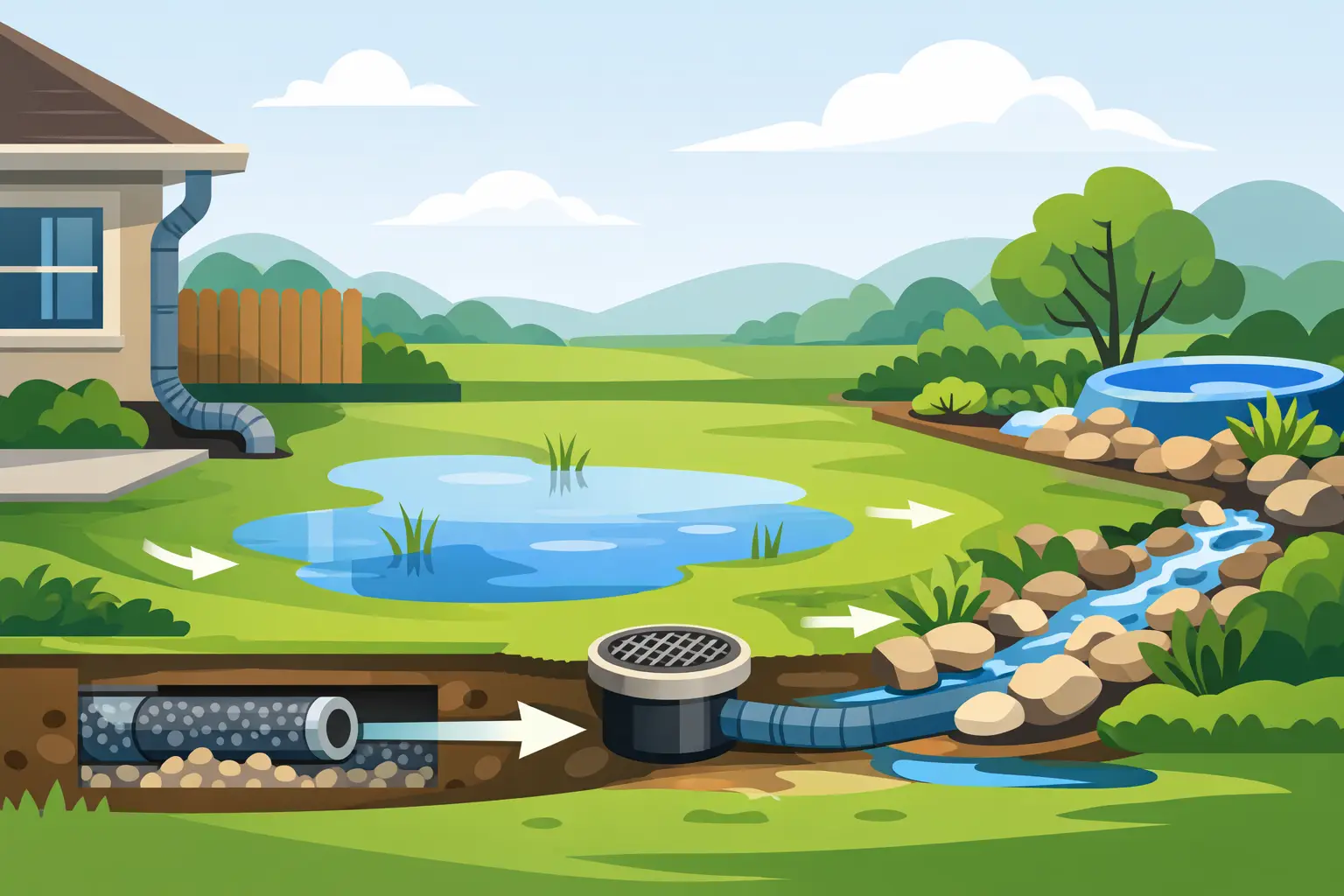
After a warm Ontario rain, a few inches of water in a planter, tarp, clogged gutter, or low patch of lawn can become a mosquito problem faster than most homeowners expect. To drain standing water effectively, you need to look beyond the obvious puddles and deal with the places where water keeps collecting week after week. That simple yard habit can reduce mosquito breeding opportunities near the spaces where your family and pets spend time.
Mosquitoes do not need a pond to reproduce. Many species can lay eggs in very small amounts of still water, including water trapped in children’s toys, overturned lids, wheelbarrows, flowerpot saucers, and folded pool covers. In warm weather, larvae can develop quickly, which is why a weekly inspection matters far more than a once-a-season cleanup.
Why Standing Water Attracts Mosquitoes
Adult mosquitoes need moisture, shade, and protected places to rest. Female mosquitoes also need standing water to lay eggs. When water remains still long enough, it gives eggs and larvae the conditions they need to develop before you notice there is an issue.
A heavy rainfall can create dozens of small breeding sites around one property. Some will dry out on their own, but others hold water in shaded areas or poorly graded sections of the yard. Those are the trouble spots that keep producing mosquitoes between rainstorms.
Removing standing water will not eliminate every mosquito. Mosquitoes can fly in from nearby wooded areas, drainage ditches, wetlands, and neighbouring properties. Still, reducing breeding sites on your own property is one of the most practical ways to lower mosquito pressure around patios, decks, play areas, and dog runs.
How to Drain Standing Water Safely
Start with the water you can see and reach. Empty containers completely, then store them upside down or under cover so they cannot refill. If a container must remain outdoors, such as a rain barrel or water feature, it needs a different solution than simple drainage.
Check your property after rain and again several days later. The second check is useful because slow drainage problems are often not obvious during the storm itself. Walk the yard with attention to shaded corners, behind sheds, along fences, and beneath decks where water can sit unnoticed.
Empty and store small containers
Buckets, watering cans, wheelbarrows, recycling bins, plant trays, toys, tarps, and spare patio furniture can all collect rainwater. Tip them out at least once a week during mosquito season. A tarp that sags in the centre is especially common, so pull it tight or remove it if it is not needed.
Bird baths deserve regular attention too. They do not need to be removed, but refresh the water every few days and scrub away algae or debris. Moving, clean water is less attractive to mosquitoes than neglected, still water.
Keep gutters and downspouts moving
Clogged eavestroughs can hold water for long periods, particularly when leaves, seed pods, and roof grit block the flow. Clean gutters regularly and make sure downspouts carry water away from the foundation without creating a new puddle at the bottom.
Downspout extensions can help direct water toward a suitable drainage area. The goal is to move water away from the house while avoiding runoff onto a neighbour’s property. If water repeatedly pools near the foundation, speak with a qualified landscaping or drainage professional before making major grading changes.
Correct low spots in the lawn
A low area that remains wet for days after every rainfall may need more than a quick fix. Minor depressions can sometimes be improved by adding topsoil and reseeding, but the right approach depends on the slope, soil type, nearby trees, and location of utilities.
For persistent pooling, a landscaper may recommend regrading, a French drain, a catch basin, or another drainage solution. These improvements cost more than emptying a bucket, but they can protect the lawn, reduce muddy conditions, and make the yard less welcoming to mosquitoes over the long term.
Maintain pools, hot tubs, and covers
A properly maintained pool or hot tub is generally not a mosquito breeding site because the water is treated and circulated. The concern is usually the cover. Rainwater caught on a loose pool cover can become still water, especially around the edges and folds.
Use a cover pump when needed, keep the cover secure, and remove leaves that create dips where water collects. For seasonal pools, follow the manufacturer’s closing and maintenance guidance rather than draining water into an area that could flood the yard.
Places Homeowners Often Miss
The most productive mosquito breeding sites are often small and hidden. A quick sweep of the patio is useful, but the best inspections include the entire property.
Pay close attention to these common problem areas:
- Flowerpot saucers, planter inserts, and unused nursery pots
- Tire swings, old tires, and equipment stored outdoors
- Corrugated drain pipes, window wells, and blocked catch basins
- Leaky outdoor taps, air conditioner drainage, and slow-dripping hoses
- Rain barrels without tight-fitting screens
- Toys, lids, wheelbarrows, and folded tarps behind a shed
If you have a rain barrel, do not simply empty it every time it rains. Rain barrels are useful for conserving water. Instead, make sure the lid fits securely and all openings are screened with fine mesh so mosquitoes cannot get inside. Repair torn screens promptly.
What to Do With Water You Cannot Drain
Some water is meant to stay. Ponds, decorative water features, drainage ponds, and certain low-lying natural areas should not be emptied without considering the wider impact on landscaping, wildlife, or drainage rules.
For a small ornamental pond, circulation can make a meaningful difference. A fountain, pump, or waterfall keeps water moving and can reduce the calm surface conditions mosquitoes prefer. Keep debris out of the pond, maintain equipment, and consider options designed for water features if mosquito activity remains high.
Natural wetlands and larger water bodies require a different mindset. Trying to drain them is neither practical nor appropriate. Focus instead on reducing mosquitoes around the home itself: remove nearby containers, trim dense vegetation around seating areas, repair screens, and use targeted property treatments where appropriate.
Pair Drainage With Targeted Mosquito Control
Removing water is an essential first step, but it works best as part of a broader yard plan. Adult mosquitoes rest in cool, shaded vegetation during the day, including dense shrubs, under decks, tall grass, and damp areas near the home. A tidy yard with fewer wet hiding places is easier to protect.
This matters for families with children and pets. Mosquitoes are more than an annoyance during a backyard dinner or evening playtime. They can also expose pets to heartworm risk, while ticks in the same outdoor environments can contribute to Lyme disease concerns. Prevention is about making your property less favourable to pests before activity peaks.
For properties with persistent mosquito pressure, a custom barrier treatment can address the shaded foliage and resting areas where adult mosquitoes spend their time. Mosquito Pros uses property-specific treatment plans that focus on the areas that need protection, rather than applying a one-size-fits-all approach across the entire yard. Drainage and treatment serve different purposes, and using both can produce more consistent results.
Make a Weekly Water Check Part of Yard Care
The easiest way to stay ahead of mosquitoes is to tie water checks to a routine you already have. Check for pooled water after mowing, before putting out the green bin, or when watering plants. It usually takes only a few minutes once you know where water tends to collect.
After major rainfall, inspect your yard within a day or two. Empty what you can, clear blockages, and make a note of areas that repeatedly stay wet. Those repeat trouble spots are worth correcting before the next stretch of warm weather.
A dry bucket, clear gutter, tight pool cover, and properly draining lawn may seem like small details. Together, they help protect the outdoor space you work hard to enjoy, giving mosquitoes fewer places to begin.


