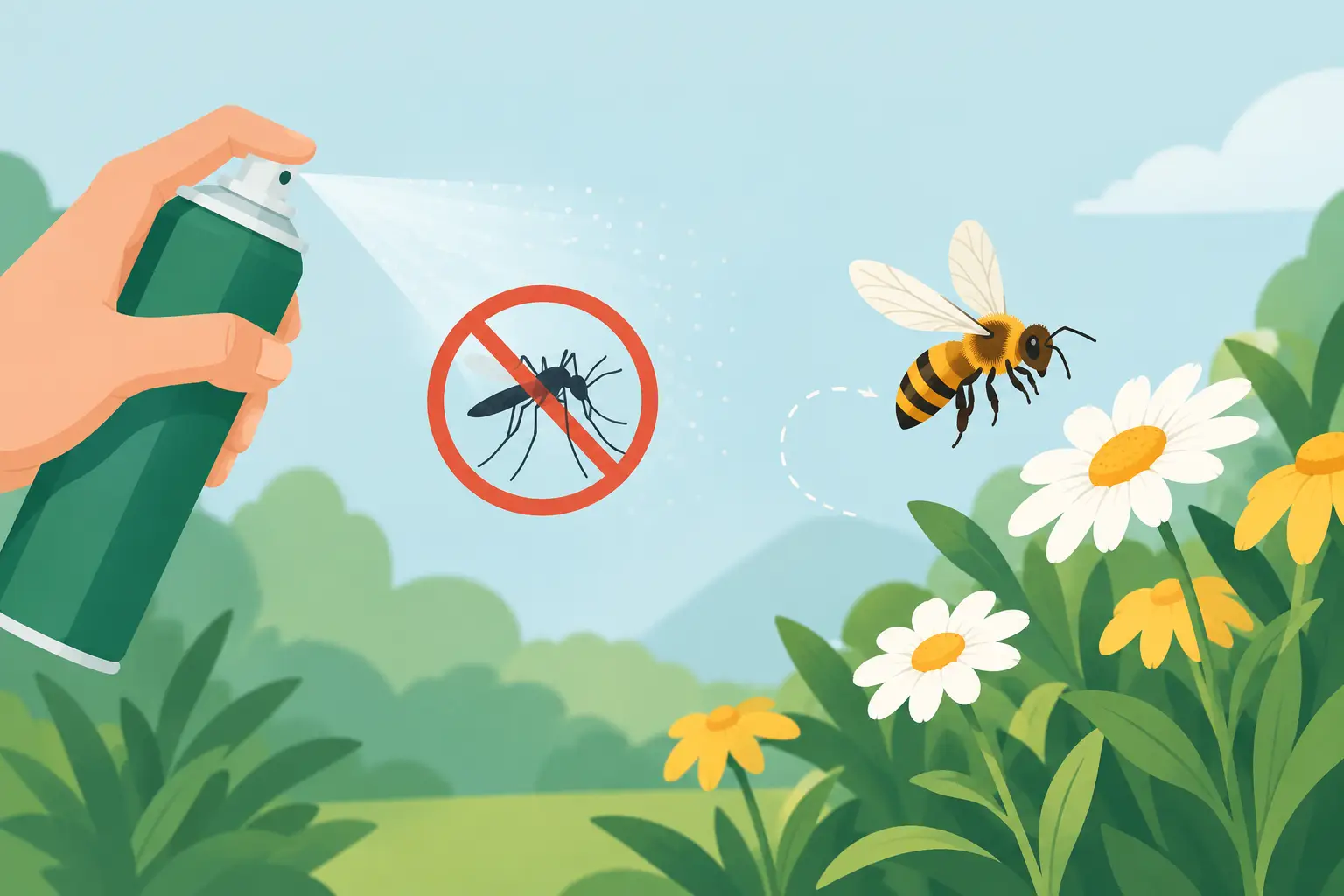
A mosquito treatment should make your yard more comfortable without turning flower beds, vegetable gardens, or pollinator habitat into a concern. So, do mosquito sprays harm bees? They can, depending on the product, where it is applied, how much is used, and whether bees are active or exposed to treated blooms.
That does not mean every mosquito-control service creates the same level of risk. Responsible mosquito control is about precision: treating the places mosquitoes rest and breed while avoiding the places bees forage. For Ontario homeowners who want to protect children, pets, guests, and pollinators, that distinction matters.
Do mosquito sprays harm bees when used outdoors?
Some mosquito sprays can harm bees, particularly broad-spectrum insecticides that kill insects through direct contact or when bees land on recently treated plants. Products containing pyrethroids, for example, are commonly used for outdoor mosquito control because they are effective against adult mosquitoes. They can also be toxic to bees if the application reaches flowering plants or if bees encounter wet residue.
The biggest risk is not simply having a mosquito treatment performed. It is exposure. A bee is more likely to be affected when a product is sprayed directly on it, drifts onto open flowers, or is applied to vegetation where bees are actively feeding.
This is why a blanket approach to spraying a yard is not the right approach. A large-volume application across every shrub, flower, and lawn may expose more non-target insects than necessary while still missing the specific shaded areas where mosquitoes spend their days.
Why mosquitoes and bees use different parts of your property
Mosquitoes usually rest in cool, shaded, humid places. Think dense hedges, the underside of broad leaves, overgrown vegetation, brushy fence lines, damp areas near decks, and shaded spaces around sheds. Adult mosquito barrier treatments are intended for these resting zones.
Bees, on the other hand, are drawn to flowering plants and blossoms. They may also visit flowering weeds such as clover and dandelions. The practical goal is straightforward: focus mosquito control on mosquito habitat, not pollinator habitat.
A careful technician should identify these areas before treatment begins. Flowering gardens, blooming shrubs, herb gardens, vegetable plants in bloom, and known bee activity should be discussed during the property assessment. If an area is actively attracting pollinators, it should not be treated as a routine mosquito target.
Timing can reduce unnecessary exposure
Bees are generally most active during warmer daylight hours, when flowers are open and nectar is available. Treatments scheduled when bees are less active can reduce the chance of direct contact, but timing alone is not enough. A product applied after sunset can still be a concern if it lands on flowers or other forage plants.
The application site, the product label, weather conditions, and the amount used all matter. Windy conditions can increase drift, while rain shortly after treatment may reduce effectiveness and create runoff concerns. A professional service should adjust or postpone an application when conditions are not suitable.
“Natural” mosquito treatments are not automatically bee-safe
Many homeowners understandably look for natural mosquito-control options when they are concerned about pollinators, pets, and children. Natural treatments can be a useful option, but the word “natural” does not automatically mean harmless to bees.
Essential-oil-based products and botanical insecticides can still affect insects because that is what they are designed to do. Some may work mainly as repellents, while others may have insecticidal effects. Their risk profile depends on the specific ingredients, concentration, application method, and whether bees can contact the treated surface.
The better question is not whether a treatment is natural or conventional. Ask what is being applied, where it will be applied, how it is targeted, and what precautions are being used around flowering plants and pollinator activity.
Lower-risk mosquito control starts before the spray
The most bee-conscious mosquito plan does not rely on spray alone. Removing mosquito breeding opportunities can reduce the number of adult mosquitoes that need to be controlled in the first place.
Mosquitoes can reproduce in surprisingly small amounts of standing water. Check buckets, toys, wheelbarrows, birdbaths, planters, tarps, clogged eavestroughs, unused pools, and low areas that hold water after rain. Empty or refresh containers regularly, especially during warm, wet stretches of summer.
For water that cannot be emptied, such as a rain barrel or ornamental pond, the right solution depends on the situation. Physical barriers, water movement, and properly selected mosquito larval controls may help. Products containing Bti are designed to target mosquito larvae in water and are generally considered a more pollinator-friendly option when used according to label directions, because bees do not develop in water like mosquito larvae do.
Keeping grass trimmed and reducing dense, unmanaged vegetation around sitting areas can also make a difference. You do not need to remove every shrub or turn a yard into bare ground. The goal is to reduce the damp, sheltered hiding places closest to patios, play areas, and entrances.
What a bee-conscious mosquito treatment should look like
If you are considering a mosquito service, ask direct questions before booking. A reputable provider should be comfortable explaining its process and adapting treatment around your property.
Look for a plan that begins with an inspection instead of an automatic full-yard spray. The technician should identify mosquito resting areas, breeding sources, flowering plants, gardens, water features, and any beehives on or near the property. Neighbouring pollinator gardens can matter too, especially on smaller lots.
Targeted applications use the least amount of product needed in the areas where mosquitoes are most likely to rest. This can reduce unnecessary exposure while still delivering meaningful relief around patios, decks, pools, and outdoor gathering spaces. Mosquito Pros uses property-specific treatment plans and lower-volume application methods to focus on mosquito harbourage rather than treating every inch of a yard.
You should also receive clear guidance about re-entry times, pet precautions, and what to do before treatment. Covering or moving outdoor pet bowls, keeping children and pets inside until treated surfaces are dry, and notifying the technician of gardens or pollinator concerns are sensible steps.
Tell your provider about hives and gardens
If you keep honey bees, maintain a pollinator garden, or have neighbours with hives, say so before the appointment. Do not assume the provider can identify every bee-sensitive area from the street.
Point out flowering shrubs that may not look like a traditional garden, as well as blooming groundcover, fruit trees, and vegetable beds. If you have a section of the yard devoted to native plants and pollinators, it may be best to leave it untreated and create a buffer between that area and the spaces where people spend time.
Balancing mosquito protection with pollinator protection
There is a real trade-off to manage. Mosquitoes can make backyards unusable and can expose people and pets to diseases such as West Nile virus, Lyme disease from ticks in the same outdoor environment, and heartworm risk for dogs. Families should not have to choose between enjoying their property and caring about beneficial insects.
The answer is targeted control, not ignoring the problem or treating without a plan. Reduce standing water, use physical barriers and fans around seating areas when practical, protect flowering plants from insecticide exposure, and reserve adult mosquito treatments for the shaded harbourage zones where they are needed.
A well-managed yard can support bees while giving your family a more comfortable place to play, host, and relax. Before your next treatment, take a walk through the property with pollinators in mind: notice what is blooming, where water collects, and where mosquitoes gather. That small amount of planning helps make every treatment safer and more effective.

