
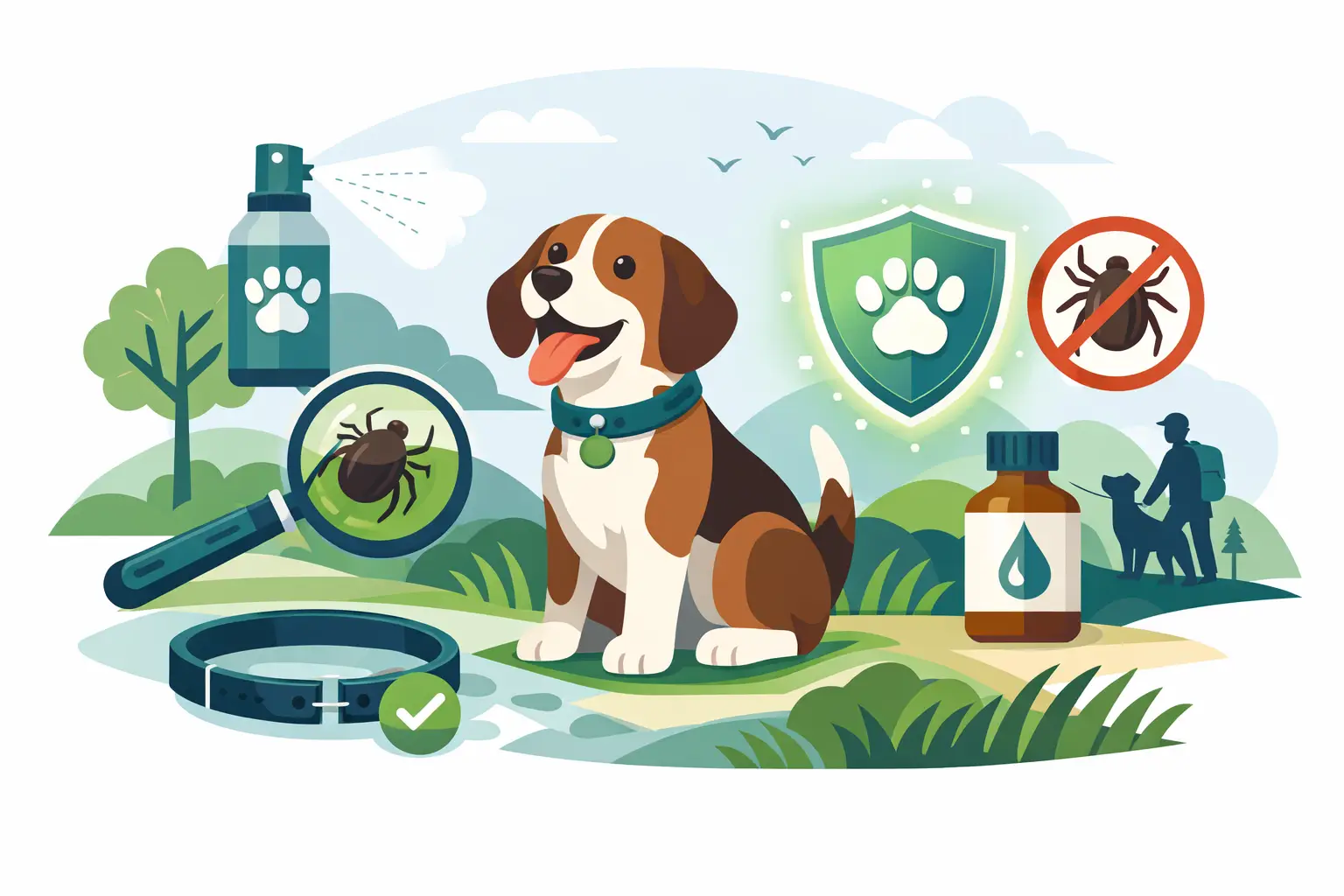
A tick can hitch a ride home after a short walk along a trail edge, a game of fetch beside the shed, or a quick bathroom break in tall grass. For Ontario dog owners, prevention is not about keeping pets indoors. It is about stacking the top ways to protect dogs from ticks so your dog can enjoy the yard with less risk of Lyme disease and other tick-borne illness.
Ticks are most active when temperatures rise above freezing, which can mean risk begins earlier in spring and continues well into fall. Blacklegged ticks, also called deer ticks, are a particular concern because they can carry the bacteria that causes Lyme disease. Not every tick is infected, and a tick bite does not automatically mean illness, but early prevention and prompt removal make a meaningful difference.
Start With Vet-Recommended Tick Prevention
A reliable veterinary preventive is the foundation of tick protection. Your veterinarian can recommend an option based on your dog’s age, weight, health history, lifestyle, and whether they spend time around young children, other pets, or water. Options may include oral chewables, topical treatments, or tick collars.
No product is identical. Some kill ticks after they bite, while others may repel ticks before they attach. A product that works well for a dog who hikes through brush every weekend may not be the best fit for a senior dog who stays mostly in a maintained yard. Follow the dosing schedule exactly, and never use a dog product on a cat unless your veterinarian confirms it is safe.
Prevention should continue through the full local tick season, not just during cottage weekends or hiking trips. In areas around Merrickville, Kemptville, Smiths Falls, and Brockville, dogs can encounter ticks in backyards, wooded lots, parks, and trail margins. Ask your veterinarian when to begin and end seasonal protection based on current conditions and your dog’s exposure.
Make Tick Checks Part of Every Outdoor Routine
Even with a preventive product, check your dog for ticks after time outdoors. Fast checks catch crawling ticks before they settle in, and more careful checks can find attached ticks early. This is especially worthwhile after walks near long grass, leaf litter, stone walls, woodpiles, or wooded edges.
Run your hands slowly over your dog’s body rather than relying on a visual scan. Ticks can be tiny, particularly in their immature stages, and may feel like a small bump. Pay close attention around the ears, eyelids, collar line, under the front legs, between the toes, around the groin, and beneath the tail. Long-haired dogs may need a comb or a quick blow-dry with cool air to part the coat.
If you find an attached tick, use fine-tipped tweezers or a purpose-made tick remover. Grip the tick as close to the skin as possible and pull steadily upward. Avoid squeezing the body, coating it in petroleum jelly, or trying to burn it off. Clean the bite area and your hands afterward, then watch for signs of irritation or illness. If possible, keep the tick in a sealed container in case your veterinarian wants to identify it.
Know What Illness Can Look Like in Dogs
Dogs do not always show immediate signs after a tick bite. Lyme disease can cause fever, tiredness, reduced appetite, swollen lymph nodes, and shifting lameness or joint pain. A dog that suddenly seems stiff, reluctant to climb stairs, or less interested in walks deserves attention, particularly after known tick exposure.
These signs can also have many other causes, so do not try to diagnose Lyme disease at home. Contact your veterinarian if your dog seems unwell, if you have removed an engorged tick, or if there is a concerning reaction at the bite site. Your veterinarian can advise whether testing, monitoring, or treatment is appropriate.
Reduce Tick Habitat Around Your Yard
Ticks do not fly or jump. They wait on vegetation with their front legs extended, then grab onto a passing animal or person. That is why yard conditions matter. The goal is not to make every square metre sterile. It is to reduce the shady, damp transition zones where ticks are most likely to wait.
Keep grass cut regularly, trim back overgrown shrubs, and clear leaf litter from play areas, fence lines, and under decks. Move woodpiles away from the house and from places where your dog sleeps or plays. If your property borders woods, unmanaged fields, or dense brush, create a clear boundary between that edge and the lawn. A wider mowed strip or gravel buffer can make it less inviting for ticks and the small mammals that carry them.
Focus your effort where your dog actually spends time. A tidy patio alone will not do much if your dog follows the same shaded path behind the garage every day. Likewise, leaving one naturalized corner of a large property may be reasonable if it is well away from pet activity. Tick management should fit the property and the way your family uses it.
Use Smart Habits on Walks and Visits
Stay on the centre of maintained trails when possible, and discourage dogs from pushing through tall grass and brush. This will not eliminate exposure, but it lowers the chance of brushing against questing ticks. A shorter leash can be useful in high-risk areas because it keeps dogs from disappearing into vegetation before you can see what they are exploring.
Bring a tick remover on hikes, camping trips, and visits to cottages or rural properties. Check yourself, children, and your dog before getting into the car for the trip home. Ticks can crawl on gear, blankets, and jackets, so a quick check of leashes and outdoor bedding is sensible too.
Do not assume cold weather means zero risk. Ticks can be active on mild days outside the traditional summer season. A surprising number of bites happen during early spring cleanup or late autumn yard work, when owners have stopped thinking about tick prevention.
Consider Targeted Yard Tick Treatment
Property care and veterinary prevention are essential, but they may not be enough for a yard with persistent tick pressure. Homes beside wooded areas, trails, ravines, tall grass, or properties with frequent wildlife activity often need an added layer of protection.
A professional yard treatment can target the vegetation where ticks rest and travel, particularly shaded borders, shrub lines, under-deck areas, and other high-use zones. The best approach is property-specific rather than a blanket spray across every part of the lawn. This reduces unnecessary product use while concentrating treatment where it can make the biggest difference.
Mosquito Pros provides customized tick treatments designed around how Ontario families, pets, and guests use their outdoor spaces. A lower-volume, targeted plan can help reduce tick activity around the areas that matter most, while supporting a practical, pet-conscious prevention routine. Yard treatment is not a replacement for veterinary products or daily checks, but it can close an important gap for high-exposure properties.
Avoid Common Tick-Control Mistakes
Some well-meaning approaches offer limited protection. Essential oils and homemade sprays may smell pleasant, but they are not a dependable substitute for veterinarian-recommended prevention. Certain concentrated oils can also be unsafe for pets when applied incorrectly.
It is also a mistake to wait until you see several ticks before acting. Tick populations are hard to spot because they are small and spend much of their time hidden in vegetation. Prevention works best before a dog starts bringing ticks indoors.
Finally, do not focus only on the dog. A tick brought in on a pet can detach inside the home and later attach to another animal or person. Regular checks, prompt removal, clean bedding, and lower-risk yard conditions protect the whole household.
A good tick plan lets your dog keep doing the things dogs should do: sniffing, running, exploring, and relaxing outside with the family. Pair consistent veterinary prevention with careful tick checks and a yard that is managed for the way your dog lives, not just the way it looks.

