A backyard can look perfect on paper – trimmed lawn, clean patio, fresh cushions on the deck – and still become unusable the minute mosquitoes show up at dusk. If you are searching for the right mosquito treatment for yard spaces in Ontario, the real question is not just what kills mosquitoes. It is what keeps them down safely, consistently, and without turning your property into a chemical fog zone.
For most homeowners, that answer is not a single product from a hardware shelf. It is a treatment plan built around how mosquitoes actually use your yard.
Why mosquito pressure in a yard is rarely random
Mosquitoes do not spread evenly across a property. They rest in cool, shaded areas during the day, then move out to feed when conditions are right. That means the problem usually starts in specific zones: along fence lines, under decks, around dense shrubs, beside long grass, near standing water, and anywhere airflow is low.
This is why a generic spray-it-all approach often disappoints. If the treatment is not focused on the places mosquitoes harbour, you can spend money and still end up swatting through dinner. A better mosquito treatment for yard areas targets the vegetation and sheltered surfaces where mosquitoes land and hide, rather than blanketing every inch of the property.
In Ontario, timing matters too. Wet springs, humid stretches, and warm evenings can push mosquito activity up quickly. If your yard backs onto trees, fields, drainage areas, or water, pressure can be even more intense. The same is true for properties with heavy landscaping that creates shade and moisture.
What makes a mosquito treatment effective
An effective yard treatment does two jobs. First, it reduces the active adult mosquito population on the property. Second, it creates a barrier in the areas where mosquitoes are most likely to rest between feedings.
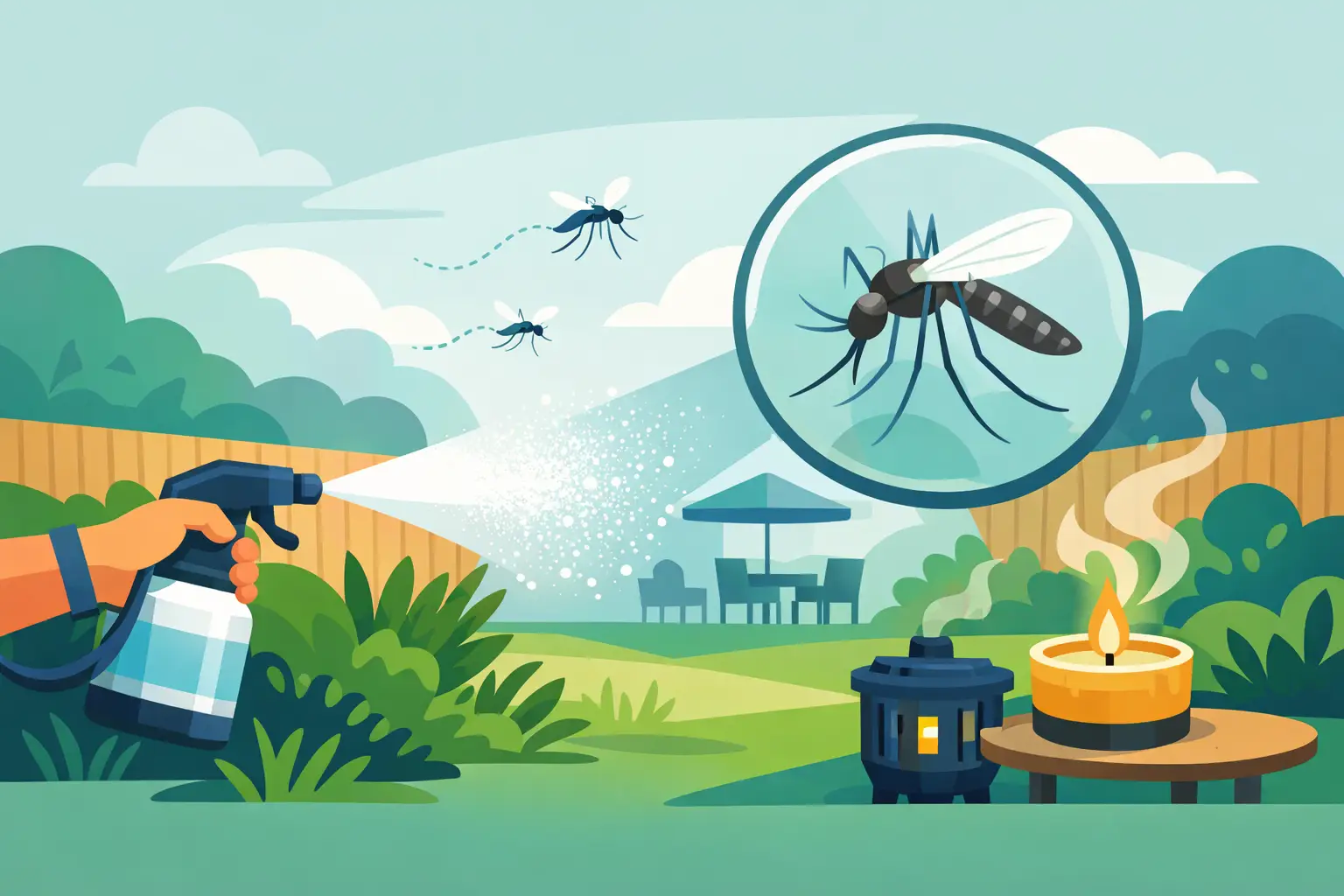
That barrier is what gives treatment its staying power. When done properly, the product is applied to targeted areas such as the underside of leaves, shrubs, perimeter vegetation, fence lines, and other mosquito-prone zones. This is very different from broad, high-volume spraying with little precision.
The trade-off is simple. A fast, heavy spray may feel aggressive, but more product does not always mean better protection. Precision matters more than volume. For families and pet owners, that distinction matters a lot.
The problem with one-size-fits-all yard spraying
Not every yard needs the same treatment frequency, product choice, or coverage pattern. A compact in-town lot with a few hedges is different from a large rural property with tree cover, standing water nearby, and a shaded dog run. Event-based control for a weekend gathering is different from seasonal protection for a family that uses the yard every day.
That is where many off-the-shelf and cookie-cutter services fall short. They are designed for speed, not property-specific results. If your concern is protecting children, pets, and outdoor living spaces, the approach should reflect how your yard is actually used.
A tailored mosquito treatment for yard conditions can account for exposure levels, landscaping, treatment-sensitive areas, and how often mosquitoes are likely to re-enter the property. That usually leads to more reliable control and less wasted product.
Natural options versus conventional treatments
Many homeowners ask whether natural mosquito treatments work. The honest answer is: sometimes, and it depends on expectations.
Natural treatment options can help reduce mosquito activity, especially for customers who want a lower-impact approach. They are often a good fit for lighter pressure, shorter-term use, or households that strongly prefer plant-based ingredients. But natural solutions may require more frequent application and may not hold up as long during heavy mosquito season.
Conventional professional treatments usually provide stronger residual control, especially when mosquito populations are high. That can be the better choice for properties with persistent pressure or for families that want more dependable day-to-day protection through the peak season.
There is no single right answer for every property. The better question is what level of control you need, how your yard is set up, and what safety considerations matter most in your household.
Safety matters as much as results
For most homeowners, mosquito control only makes sense if it is family-conscious. You should be able to reduce mosquito exposure without feeling like you are trading one problem for another.
That is why treatment method matters. Lower-volume, targeted applications can reduce unnecessary spray while still treating the places that matter most. For households with kids and pets, this kind of precision is far more reassuring than broad saturation.
It also helps to work with a provider that understands re-entry timing, application conditions, and how to avoid over-treating low-risk areas. A professional should be able to explain where product is going, why those areas matter, and what precautions are recommended after service.
In practical terms, safer mosquito control is not just about what product is used. It is also about how much is used, where it goes, and whether the plan fits the property.
What homeowners can do between treatments
Professional treatment usually works best when paired with a few simple yard adjustments. You do not need to redesign your property, but you do need to make it less attractive to mosquitoes.
Standing water is the obvious issue, but not the only one. Bird baths, clogged gutters, toys, planters, tarps, and low spots in the lawn can all collect enough water to support breeding. Dense vegetation can also make a yard feel cooler and more humid, which mosquitoes like.
If you want your mosquito treatment for yard spaces to last and perform better, keep grass trimmed, reduce heavy brush where possible, empty water-holding items regularly, and improve airflow around gathering areas. These steps will not replace treatment, but they can improve the result.
When seasonal treatment makes more sense than one-time service
A one-time treatment can be useful before a wedding, backyard party, or outdoor event. It can also help if mosquito pressure suddenly spikes and you need short-term relief.
But for most households, one treatment does not solve a season-long problem. Mosquitoes do not disappear after a single visit, especially during active breeding periods. Rain, heat, new hatch cycles, and surrounding properties all affect how quickly pressure returns.
Seasonal service is often the better value because it maintains the barrier over time. Instead of reacting after mosquitoes become unbearable, it keeps pressure lower through the months when families actually want to use the yard. That is especially helpful for homes where children play outside often or pets spend a lot of time in the yard.
In places like Kemptville, Smiths Falls, Merrickville, and nearby communities where yards can back onto trees, fields, and water-adjacent areas, recurring service often makes the biggest difference.
How to choose the right mosquito treatment provider
If you are comparing services, look past the basic promise to spray for mosquitoes. Ask how the yard will be assessed. Ask whether treatment is customized to the property. Ask how much product is used and whether the company offers lower-volume options. Ask what happens if mosquito pressure is unusually heavy.
A good provider should talk about mosquito behaviour, resting zones, and treatment timing – not just price per visit. They should also be clear about safety, realistic expectations, and whether a natural or conventional option makes more sense for your yard.
This is where a specialized company stands apart from a general pest control visit. Mosquito control is highly seasonal and highly location-specific. It works best when the service is built around the actual outdoor environment, not folded into a generic package.
Mosquito Pros takes that property-specific approach seriously, with custom barrier treatments designed to protect families, pets, and outdoor spaces while using far less spray than typical high-volume programs.
The best mosquito treatment for yard spaces is the one that fits your property
There is no magic product that works the same way on every yard. The best approach depends on shade, moisture, vegetation, surrounding conditions, and how you use the space. Some properties need stronger residual control. Others can do well with a natural option and a smart maintenance plan. Some need seasonal coverage. Others just need event protection at the right time.
What matters is choosing a treatment that is targeted, sensible, and designed for real outdoor living in Ontario. A yard should be somewhere you can let the dog out, sit with family, host friends, and enjoy a summer evening without constantly planning around mosquito bites.
If your yard has started to feel like mosquito territory, that is usually a sign the problem needs more than a quick fix. The right treatment gives you your outdoor space back – and that is the part most homeowners notice first.

