
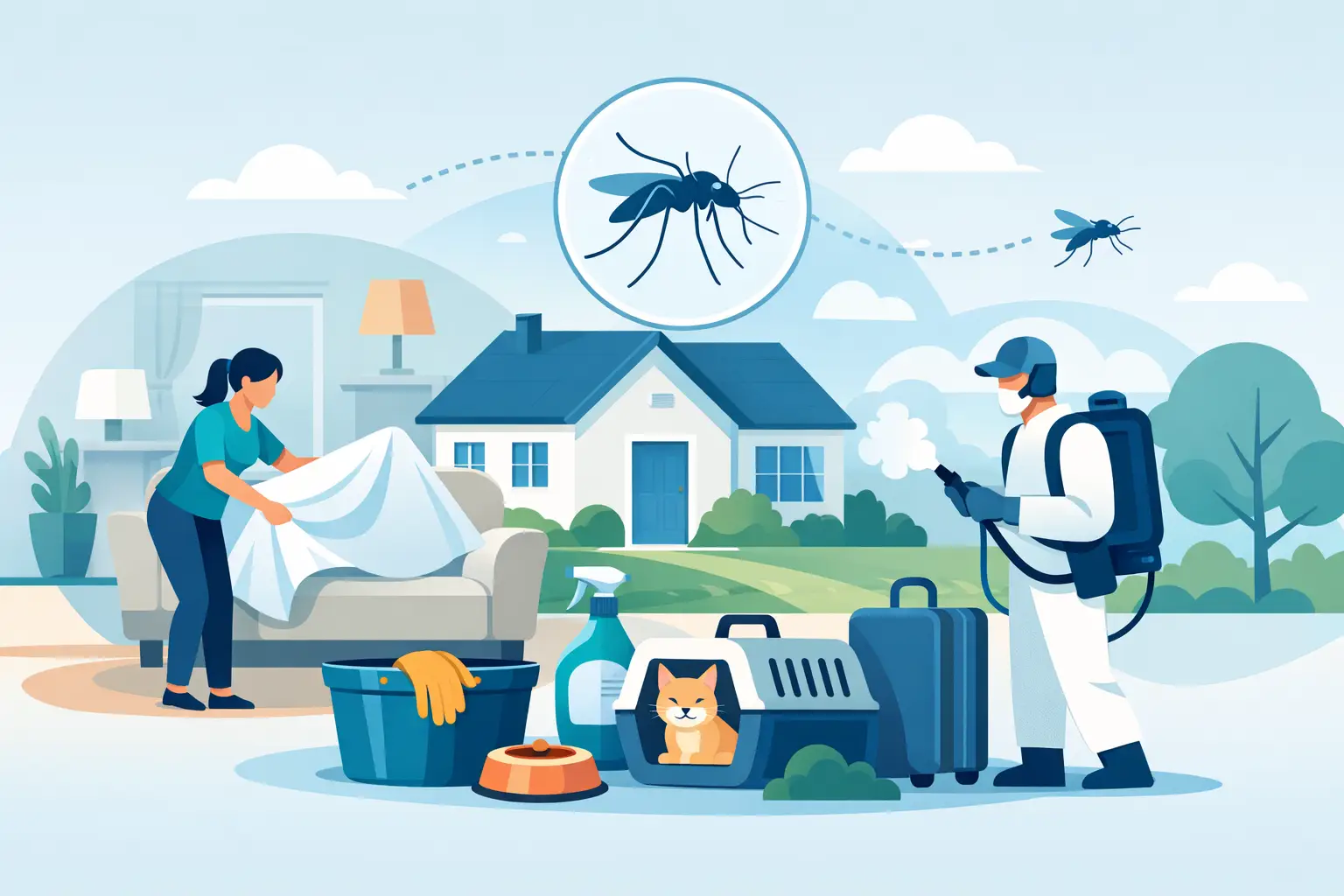
Mosquitoes do not need much space to make a yard uncomfortable. A shaded corner, clogged gutter, birdbath or child’s water table can quickly become part of the problem. Knowing how to prepare for mosquito treatment helps your technician reach the areas where mosquitoes rest and breed, while helping protect the people, pets and outdoor spaces you care about.
Good preparation is straightforward. It is not about stripping your property bare or trying to solve every mosquito issue on your own. It is about making the treatment area accessible, reducing avoidable water sources and following the service instructions provided for your specific property.
Why Yard Preparation Makes a Difference
Mosquito treatments work best when they are tailored to the property. Mosquitoes often rest in cool, protected vegetation during the day, including shrubs, hedges, tall grass, under-deck areas and dense garden edges. A targeted barrier treatment needs reasonable access to these places to provide dependable coverage.
Preparation also prevents common interruptions. Toys left in the grass, furniture pressed tightly against hedges and overgrown weeds can limit access to key mosquito harbourage areas. Taking a few minutes before your appointment gives the technician a clearer view of your yard and supports a more precise, lower-volume application.
For families in eastern Ontario, preparation is especially worthwhile during warm, wet stretches of the season. Mosquito populations can increase quickly after rain, and tick activity may overlap with the time your family and pets want to spend outdoors.
How to Prepare for Mosquito Treatment Before the Appointment
Your service provider may give you property-specific instructions, and those instructions should always come first. In most cases, the following steps will help your treatment go smoothly.
Clear access around problem areas
Move children’s toys, sports equipment, pet items and portable garden décor away from the lawn and treatment zones. If you have outdoor cushions, blankets or picnic items near shrubs and hedges, bring them inside or place them well away from the area being treated.
Make sure gates are unlocked and that your technician can reach the backyard, side yards, fence lines, garden borders and areas around decks or sheds. If a locked gate, dog run or shared access point could create an issue, let the company know before arrival rather than on treatment day.
You do not need to move every patio chair. The priority is clearing items that block vegetation, prevent access to yard edges or may be directly exposed to treatment. Your technician can explain what should stay in place on your particular property.
Tidy vegetation without overdoing it
Mow tall grass and trim back weeds where practical a day or two before treatment. This helps expose the damp, shaded places where mosquitoes and ticks may shelter. Pay particular attention to long grass along fences, behind sheds, around compost areas and near woodpiles.
Avoid major pruning immediately before a scheduled barrier spray if possible. Freshly cut vegetation changes the surfaces that need treatment, while excessive clearing can remove helpful shade from gardens and make a yard look unfinished. A normal mow and light tidy-up are usually enough.
If you have dense cedar hedges, ornamental grasses or a heavily planted backyard, do not assume that means treatment will be less effective. These are often priority areas. Simply make them accessible and point out any spots where biting insects are most noticeable.
Remove standing water where you can
A mosquito treatment targets adult mosquitoes in their resting areas, but standing water can support new mosquito development. Empty and refresh containers that hold water, including buckets, wheelbarrows, plant saucers, toys, tarps and unused planters. Check for sagging pool covers and clogged eavestroughs after rain.
Some water features need a different approach. Do not empty a working pond, rain barrel or birdbath if doing so is impractical or harmful. Instead, tell your technician about it. Birdbaths should be refreshed regularly, and ponds may need water movement or a suitable mosquito-control strategy that is appropriate for aquatic life.
This is one of the most valuable habits you can keep up between visits. Treatment reduces active mosquito pressure, while water management makes the property less inviting for the next wave.
Bring pets inside and protect their belongings
Keep dogs, cats and other pets indoors during the application. Pick up pet bowls, toys, bedding and portable kennels from the treatment area. If your pet uses a fenced run, make sure the technician knows whether it should be treated and whether there are any access concerns.
Once the service is complete, follow the re-entry time on the instructions you receive. This is typically based on allowing treated surfaces to dry fully. Do not rely on a fixed timeframe from a neighbour or a previous provider, since products, weather conditions and treatment plans can differ.
Pet protection goes beyond treatment day. Ask your veterinarian about tick prevention and heartworm medication, especially if your dog spends time in tall grass, wooded edges or near water. Yard treatment can reduce exposure, but it should complement – not replace – veterinary prevention.
Plan for children, guests and outdoor activities
Children should remain inside during application and until the advised re-entry period has passed. Move strollers, playhouses, sandboxes with removable covers and outdoor toys away from the treatment zone. Cover or store items that children frequently touch if they cannot be moved.
If you are hosting a barbecue, wedding, family gathering or other outdoor event, schedule treatment with enough lead time for the product to dry and for the service to take effect. The ideal timing depends on the property, weather and level of mosquito activity. Booking early gives you more flexibility than waiting until the week of the event.
For vegetable gardens, herb beds and flowering plants, identify them for the technician before treatment begins. A knowledgeable provider can adjust the service plan, avoid areas that should not be treated and focus on nearby mosquito harbourage instead.
What Not to Do Before Treatment
Do not apply store-bought insecticides throughout the yard just before professional service. Combining products without a plan can create unnecessary exposure and may make it harder to judge what is working. Tell your provider about any products you have recently used, including foggers, granules, mosquito dunks and lawn treatments.
It is also best not to water the lawn, run sprinklers or wash outdoor surfaces immediately before the appointment unless directed otherwise. Wet leaves and active irrigation can affect application and access. If rain is expected, your technician will assess conditions and determine whether treatment should proceed or be rescheduled.
Finally, do not assume all buzzing insects are mosquitoes. Bees, butterflies and other beneficial insects are active in Ontario yards too. Point out pollinator gardens, beehives and sensitive areas so your treatment plan can account for them. Targeted service is more responsible and more effective than treating every part of the property the same way.
After Your Mosquito Treatment
When the technician has finished, keep people and pets out of treated areas until the stated re-entry time has passed and surfaces are dry. Once it is safe to return, normal outdoor use can resume. You can put furniture, toys and pet items back in place after the area is ready for use.
Try not to mow, prune heavily or pressure-wash treated vegetation right away. Ask your provider how long to wait, particularly if your yard has received a custom barrier treatment. Normal rain is often expected as part of summer weather, but severe weather or prolonged rainfall can affect mosquito pressure and may call for follow-up advice.
Continue to empty standing water weekly, keep vegetation manageable and report areas where mosquito activity remains unusually high. A shady drainage area, neighbouring unmanaged water source or dense woodland edge may need an adjusted approach. The best mosquito control plans respond to how your property actually behaves, not a generic schedule.
A prepared yard gives your treatment the best chance to protect the moments that matter – letting the dog out at dusk, eating on the patio or having the kids play outside without constantly swatting and retreating indoors. For homeowners around Merrickville, Kemptville and surrounding communities, a few practical steps before service can make the outdoor season feel far more usable.

