
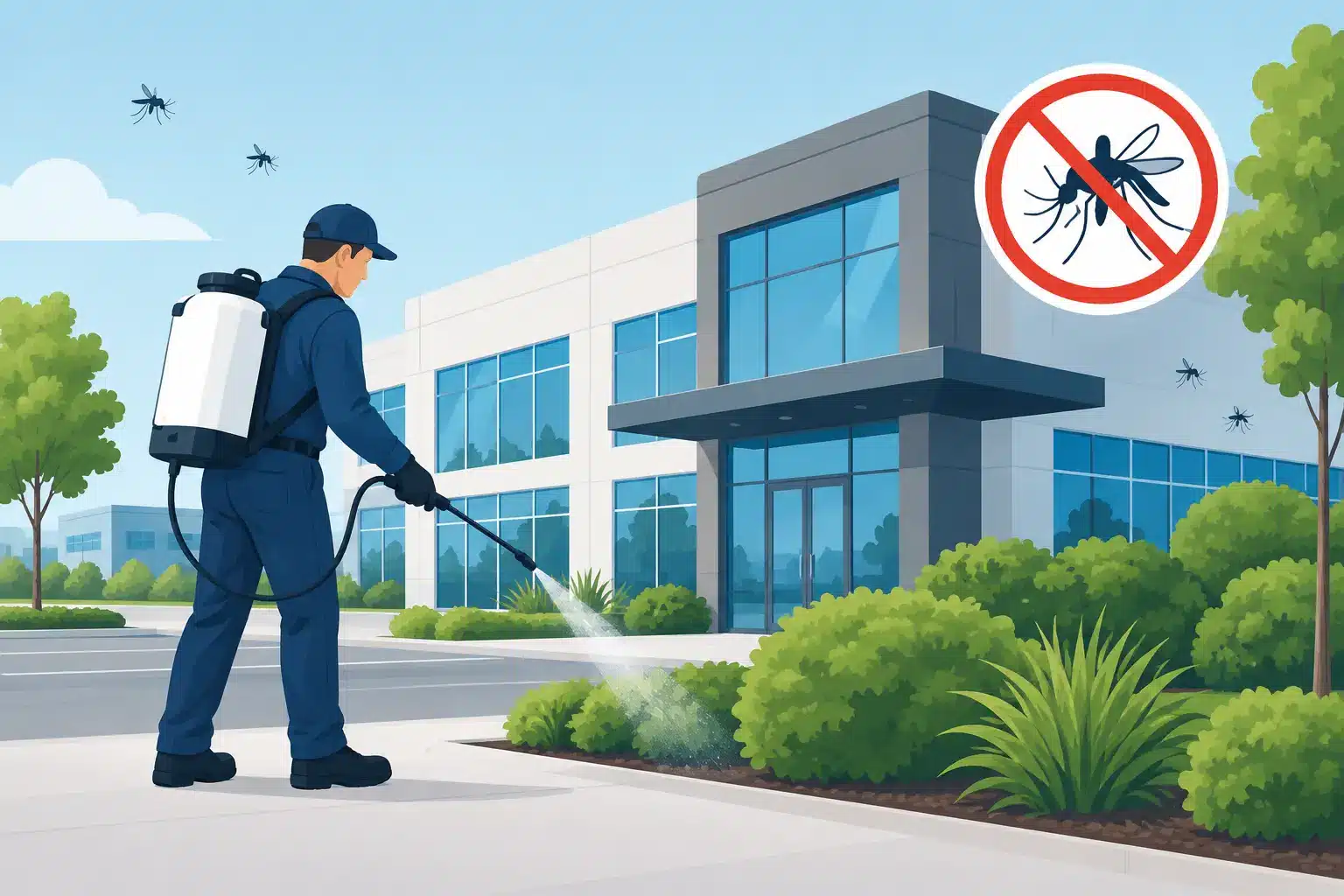
A busy patio can lose its appeal quickly when guests are swatting at mosquitoes instead of enjoying their meal. For restaurants, campgrounds, golf courses, venues, property managers, and workplaces, a commercial mosquito control service guide starts with one practical goal: make outdoor spaces more comfortable and usable during Ontario’s mosquito season.
Mosquitoes are more than an annoyance around a business. They can affect customer reviews, reduce time spent on patios or grounds, interrupt special events, and create concerns for staff, visitors, children, and pets. The right approach is not simply spraying every part of a property. It is a property-specific plan that targets the places mosquitoes rest, breed, and travel.
What a Commercial Mosquito Control Service Guide Should Cover
A reliable service begins with an assessment. Mosquito activity is rarely spread evenly across a commercial property. Shaded hedges, dense landscaping, low-lying areas, drainage edges, standing water, storage zones, and wooded boundaries can all create different levels of pressure. A small café patio may need a different approach than a waterfront campground or a multi-building residential complex.
The assessment should identify both resting areas and breeding conditions. Adult mosquitoes commonly shelter in cool, shaded vegetation during the day. They become active around patios, entrances, pathways, playgrounds, and event spaces when conditions are favourable. Standing water can support mosquito development, but even a property without an obvious pond can have trouble spots in clogged gutters, tarps, planters, bins, wheelbarrows, drains, or equipment that collects rainwater.
A commercial plan should also account for how people use the property. The priority areas for a wedding venue may be ceremony lawns, photo locations, dining tents, and washroom paths. At a restaurant, the patio perimeter and customer entrance may matter most. For a property manager, the focus may include shared courtyards, walking routes, garbage areas, and landscaped edges near tenant amenities.
Start With Source Reduction, Then Target Resting Areas
Professional treatment works best when it is paired with practical site maintenance. Removing mosquito habitat does not eliminate every mosquito, especially when nearby vegetation or water sources are outside your property line. Still, it can reduce local pressure and help treatments perform more consistently.
Your team can make a meaningful difference by checking the property after rain and correcting recurring water collection issues. This may mean emptying containers, repairing leaking taps, keeping gutters clear, improving drainage, or storing materials so water cannot pool. On larger sites, a service provider can identify conditions that need attention and explain which changes will have the greatest impact.
Targeted barrier applications focus on the shaded, vegetated areas where adult mosquitoes hide. Rather than treating open lawn that provides little value, a trained technician treats the perimeter vegetation, shrubs, under-deck areas, fence lines, and other likely resting zones identified during the inspection. This approach is more precise, more practical for active businesses, and better aligned with the goal of using product only where it is needed.
At Mosquito Pros, lower-volume applications can use up to 94% less product than traditional high-volume spraying. That does not mean every property receives the same amount or type of treatment. The appropriate plan depends on the site, pest pressure, vegetation, customer traffic, and product-label directions.
Choose a Schedule That Fits Your Business
One-time mosquito service can be a strong fit for a specific outdoor event, but it is not always the best option for a property that needs season-long protection. Mosquito populations can rebound as weather changes, new mosquitoes emerge, and rain creates fresh breeding opportunities. For businesses with patios, frequent customer traffic, or regularly used outdoor amenities, scheduled service usually provides more dependable results.
A seasonal plan often includes recurring visits timed around mosquito activity and local conditions. The ideal interval depends on the property and service method, but regular treatments allow the technician to reassess activity, adjust target areas, and respond to changes in vegetation or moisture. This is especially useful after periods of heavy rain, when mosquito pressure can increase quickly across Eastern Ontario.
For event protection, timing matters. Booking early gives the provider time to inspect the venue, identify concerns, and schedule treatment close enough to the event to support the best possible result. A one-time treatment should be paired with site preparation, such as removing standing water and trimming or clearing access to dense vegetation where appropriate.
Ask the Right Questions Before Hiring a Provider
Commercial mosquito control should never feel like a generic add-on. Before choosing a provider, ask how they assess a property, what areas they treat, how they handle active customer spaces, and what maintenance steps they recommend between visits. Clear answers are a good sign that the service is built around results rather than a one-size-fits-all route.
It is also reasonable to ask about application volume, product-label compliance, treatment timing, and re-entry instructions. A professional provider should explain what staff or guests need to do before and after service, including whether windows should be closed, outdoor food items removed, or pets kept away from treated areas until the stated re-entry period has passed.
For commercial properties, communication is part of the service. Managers need to know when technicians will arrive, which zones will be treated, and whether any access or preparation is required. This matters at facilities with tenants, food service, child-care spaces, outdoor recreation, or high guest turnover.
Protect People, Pets, and Pollinators With Smart Planning
Businesses often ask whether mosquito control can be family-conscious and environmentally responsible. The answer depends on the provider’s methods, the products used, the site, and whether instructions are followed. Responsible service is based on targeted application, label compliance, and avoiding unnecessary treatment of areas where mosquitoes do not rest.
Timing can make a difference as well. Treatments should be planned around business operations and site activity. A provider may recommend service when the patio is closed, before guests arrive for an event, or during a lower-traffic period. Staff should receive straightforward instructions so they can prepare the area and answer basic questions from customers.
Pollinator protection also requires care. Mosquito treatments should be directed to mosquito resting habitat rather than applied broadly to flowering plants or areas with active pollinator activity. Businesses can support this effort by telling their provider about vegetable gardens, beehives, flowering beds, ponds, pet areas, and other sensitive features during the walkthrough.
When Mosquitoes Are Not the Only Outdoor Pest Concern
Many commercial properties in Ontario also face tick exposure, particularly those near wooded edges, tall grass, trails, naturalized landscaping, cottages, and rural grounds. Tick control is not identical to mosquito control, although the same inspection may reveal conditions that support both pests.
Ticks are commonly found in shaded, brushy, and grassy transition areas where wildlife travels. If employees, guests, children, or pets use these spaces, consider asking for a separate tick assessment. This is especially relevant for campgrounds, wedding venues, recreational properties, dog-friendly businesses, and residential communities with shared green space.
A combined plan can make sense when both mosquitoes and ticks are affecting how people use the property. The trade-off is that treatment areas and timing may need to be more carefully planned. A good provider will explain what is being addressed, why it is being treated, and what realistic results to expect.
Make Outdoor Comfort Part of Your Business Standard
Commercial mosquito control is most effective when it is treated as routine property care, not an emergency response after customers start complaining. Assess conditions early in the season, remove standing water, schedule service before peak activity, and review the plan after heavy rain or major landscape changes.
For businesses across Eastern Ontario, that preparation can protect more than a patio or event date. It helps preserve the outdoor experience your customers, staff, tenants, and guests expect. A customized mosquito control plan gives people one less reason to head indoors and more reason to enjoy the space you have worked hard to provide.


