
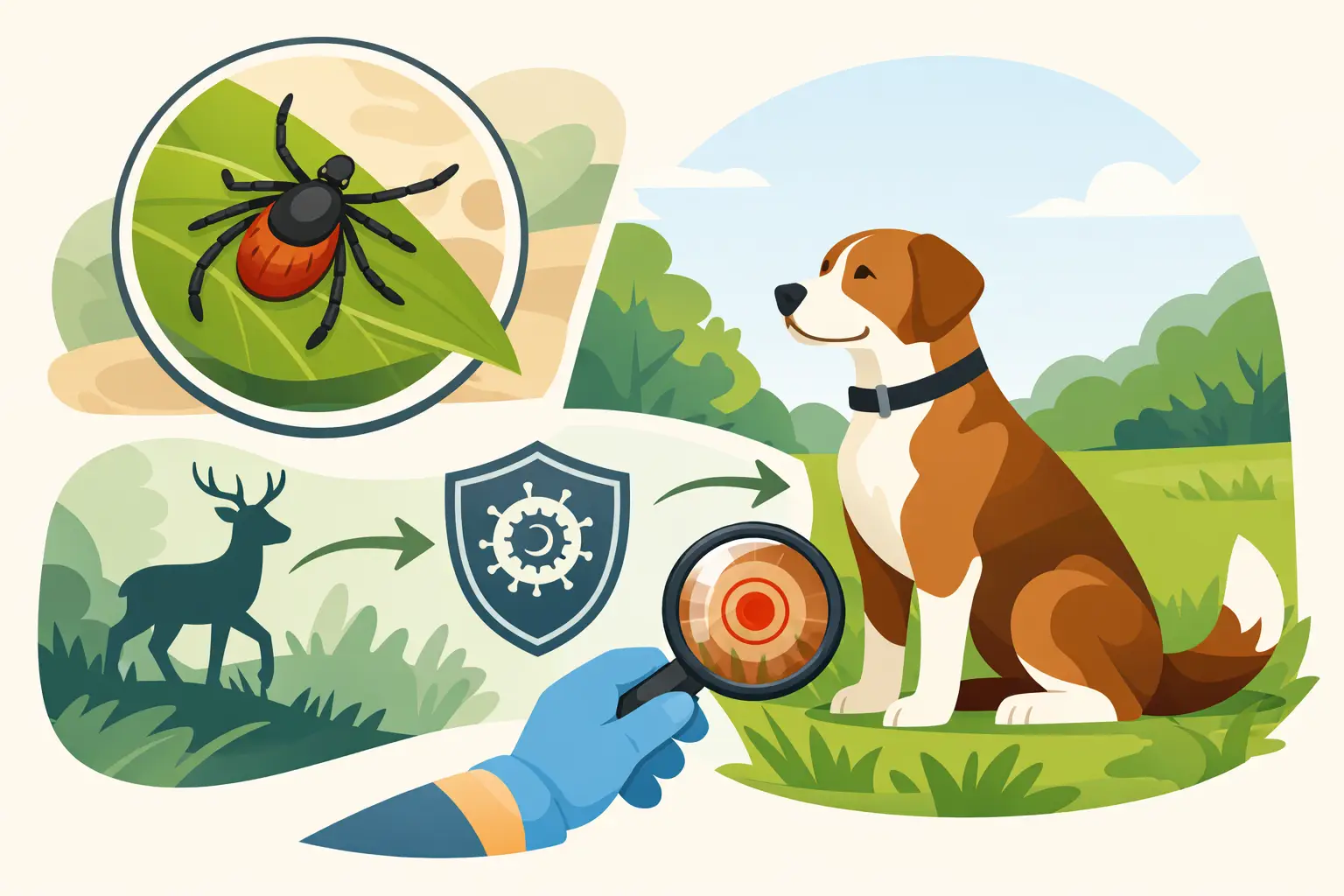
A dog that loves the woods, long grass, or the edge of a backyard fence line can pick up more than burrs. In Ontario, ticks are an active concern, and many pet owners ask the same question: can dogs get Lyme disease? The short answer is yes – and the risk is real enough that prevention should be part of your warm-weather routine.
Lyme disease in dogs is caused by bacteria spread through the bite of an infected blacklegged tick, often called a deer tick. Not every tick carries it, and not every dog bitten by an infected tick will become sick. But when exposure happens, the consequences can range from mild joint pain to more serious health issues that require veterinary care.
Can dogs get Lyme disease from any tick?
No. Lyme disease is mainly linked to blacklegged ticks, which are found in many parts of Ontario. Other ticks may irritate your dog or carry different diseases, but Lyme disease is specifically associated with infected blacklegged ticks.
That distinction matters because a lot of pet owners assume every tick poses the same level of danger. In reality, risk depends on the type of tick, whether it is carrying the bacteria, and how long it stays attached. In most cases, a tick usually needs to be attached for a period of time before transmission happens. That is why routine tick checks still matter, even if your dog is already on a preventive product.
How dogs get Lyme disease
Dogs get Lyme disease when an infected tick attaches and feeds long enough to pass the bacteria into the bloodstream. This often happens in places people do not always think of as high risk. Trails, wooded lots, overgrown fence lines, leaf litter, and shaded yards can all support tick activity.
For many Ontario families, the biggest surprise is that exposure does not require a backcountry hike. A dog can pick up ticks in a residential yard, at a cottage, on a neighbourhood walk, or in a park with long grass and brush nearby. Ticks wait on vegetation and latch onto passing animals. They do not jump or fly, but they are very good at finding a host once contact is made.
Signs of Lyme disease in dogs
One of the trickiest parts of Lyme disease is that symptoms do not always show up right away. Some dogs never appear visibly ill, while others develop signs weeks or even months after a tick bite.
The most common symptoms are limping, stiffness, swollen joints, tiredness, fever, and reduced appetite. A dog that seems sore one day and then shifts that soreness to a different leg later can raise a red flag for Lyme disease. Some owners notice their dog is simply slower to get up, less eager to go for walks, or not acting like themselves.
In less common but more serious cases, Lyme disease can affect the kidneys. When that happens, symptoms may include vomiting, diarrhea, weight loss, increased thirst, or changes in urination. This is one reason Lyme disease should not be brushed off as just a temporary limp.
What to do if you find a tick on your dog
If you find a tick, remove it carefully with fine-tipped tweezers or a tick removal tool. Grip it as close to the skin as possible and pull straight out with steady pressure. Avoid twisting, crushing, or trying home remedies like petroleum jelly or heat. Those methods can make removal harder and may increase irritation.
After removal, clean the area and wash your hands. Keep an eye on your dog over the next several weeks for any changes in movement, energy, or appetite. If the tick looks engorged, if you are unsure how long it was attached, or if your dog starts showing symptoms, call your veterinarian.
Some owners want testing right away, but timing can matter. Your vet will decide whether immediate testing makes sense or whether it is better to monitor first. Lyme testing in dogs is useful, but it has limits. A positive test can show exposure, not always active illness, so diagnosis often depends on both test results and symptoms.
Can dogs get Lyme disease and recover?
Yes, many dogs do recover, especially when the condition is recognized and treated early. Treatment typically involves antibiotics, and many dogs improve within a few days of starting medication. If joint pain or inflammation is significant, a vet may also recommend supportive care.
That said, recovery is not always simple. Some dogs continue to have lingering discomfort, and dogs with kidney involvement may face a more serious outlook. This is where prevention becomes far easier than treatment. Catching Lyme disease early helps, but reducing the odds of infection in the first place is the better path.
Why prevention has to happen on more than one level
Tick prevention is strongest when it is layered. There is no single step that handles every risk perfectly.
Veterinary preventives are a big part of protection. Depending on your dog, your vet may recommend oral medication, topical products, or tick collars. These tools can kill ticks or reduce the chance of disease transmission, but they do not eliminate exposure in the environment.
Daily or post-walk tick checks add another layer. Pay extra attention around the ears, neck, under the collar, between the toes, in the groin area, and under the legs. Ticks are small, especially in younger stages, so a careful check matters.
Then there is the property itself. This is where many families can lower risk in a practical way. If your yard has shaded edges, dense brush, leaf litter, wood piles, or tall vegetation, it may create the kind of habitat ticks like. Reducing tick pressure around the home can help protect both pets and people who use the space every day.
How to lower tick exposure around your yard
A tidy yard is helpful, but it is not the whole answer. Mowing grass, trimming overgrowth, and keeping play areas away from brushy edges can reduce hiding places. Removing leaf litter and limiting ground-level clutter also helps make the environment less attractive to ticks.
Still, many properties in places like Kemptville, Merrickville, Smiths Falls, and surrounding areas back onto tree lines, fields, or natural corridors where ticks are already active. In those cases, yard maintenance alone may not be enough.
A targeted outdoor treatment plan can help reduce tick activity where your family and pets actually spend time. That is especially useful for homes with dogs that are outside often, children playing in the yard, or outdoor entertaining spaces that see regular use. Mosquito Pros focuses on property-specific treatments that reduce exposure without relying on blanket, high-volume spraying. For families looking for practical protection, that customized approach matters.
When the risk is highest in Ontario
Ticks can be active outside the hottest part of summer, and they are not limited to cottage season. In Ontario, risk often starts in spring, stays present through summer, and can continue into fall. Mild weather can extend tick activity, which means pet owners should think beyond a single month or holiday weekend.
This is where people can get caught off guard. A dog may spend most of winter indoors, then suddenly return to regular yard time, trail walks, and park visits in spring. If prevention is not already in place, exposure can happen early.
When to call your vet
If your dog has a known tick bite and then develops limping, fever, lethargy, swollen joints, or a noticeable change in behaviour, it is worth making the call. The same goes for dogs that seem painful for no clear reason after time outdoors in tick-prone areas.
It is also smart to ask your vet about Lyme vaccination and tick preventive options if your dog spends a lot of time outside. Not every dog has the same lifestyle, and not every prevention plan needs to look identical. A farm dog, a trail dog, and a backyard lounger may all have different risk levels.
For pet owners, the big takeaway is simple. Yes, dogs can get Lyme disease, but that does not mean you have to accept tick exposure as part of everyday life. A good prevention plan starts with your vet, continues with regular tick checks, and works best when your yard is part of the solution too. The more you reduce the chance of ticks being on your property in the first place, the easier it is to protect the dog waiting by the back door for the next walk.
